
Last updated November 21, 2026
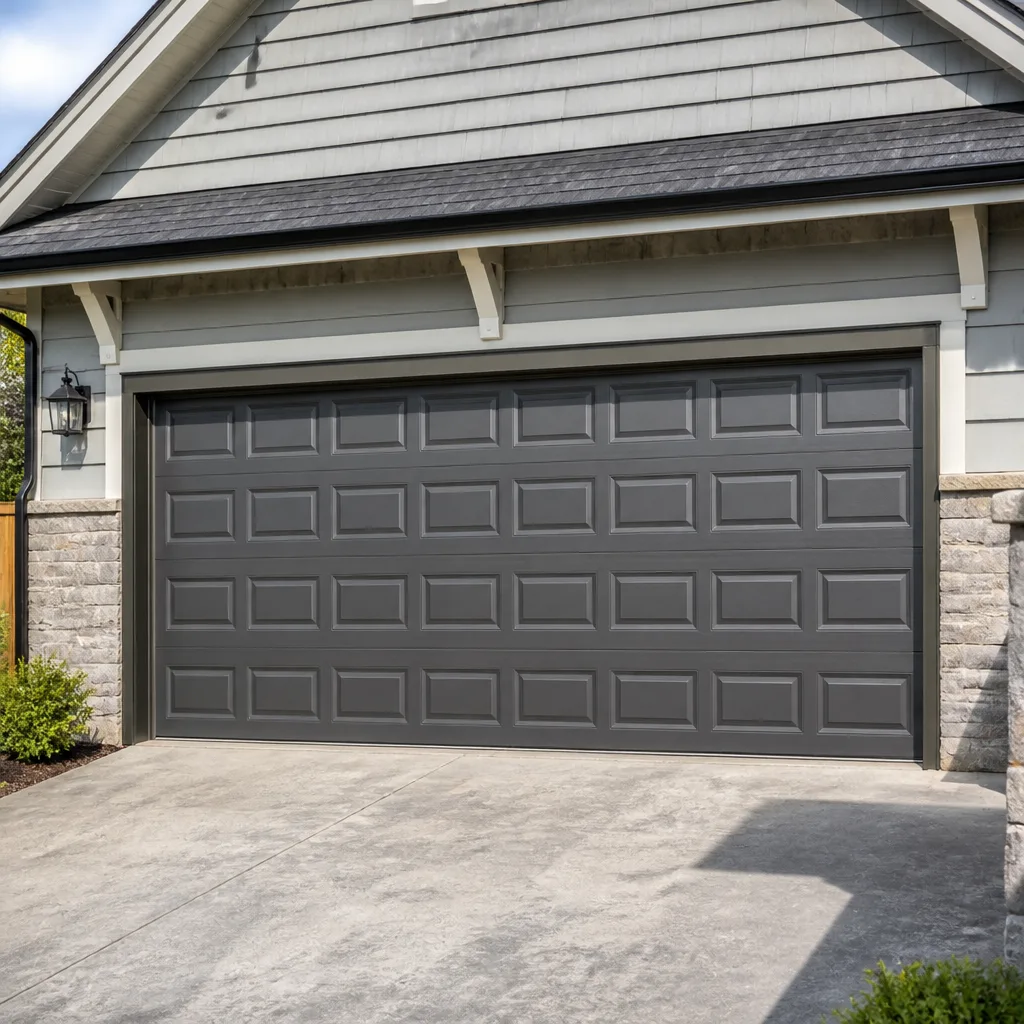 Raised-panel steel
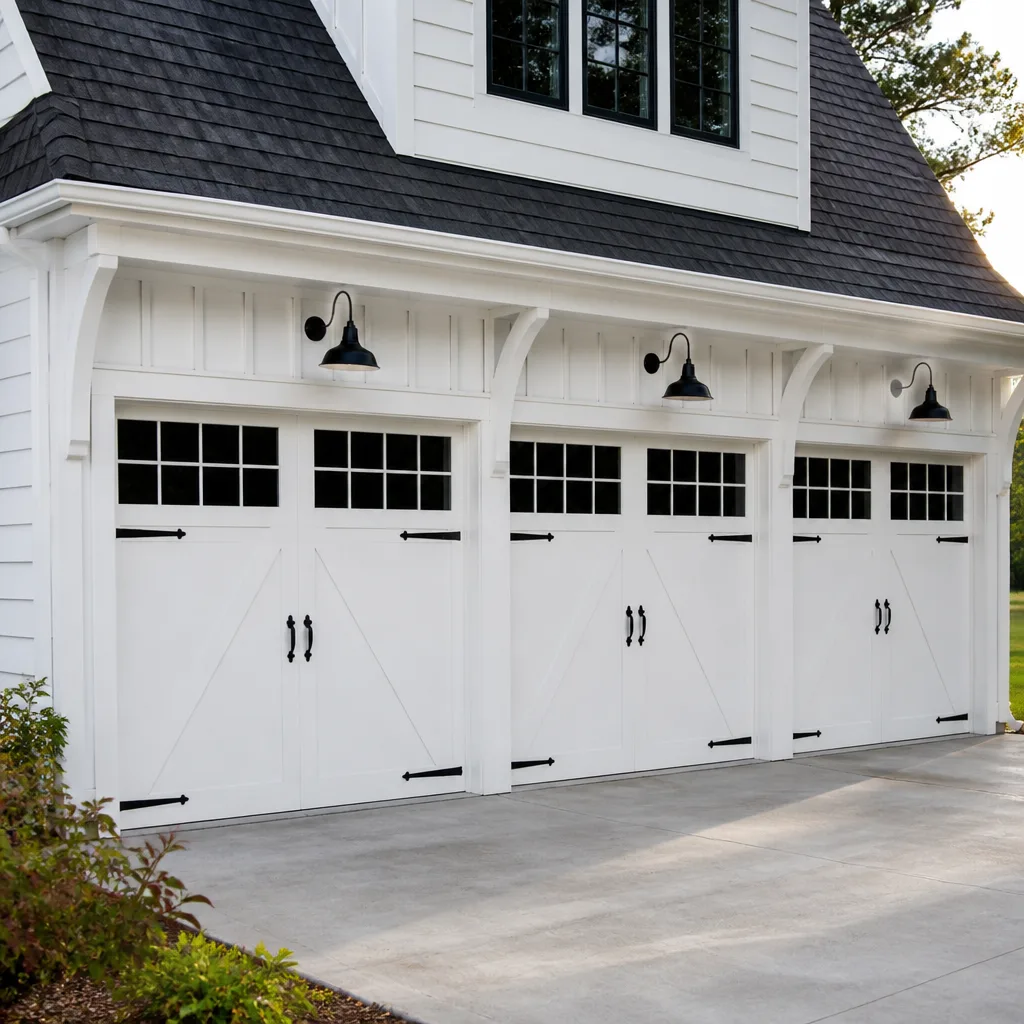 Carriage house
 Modern flush
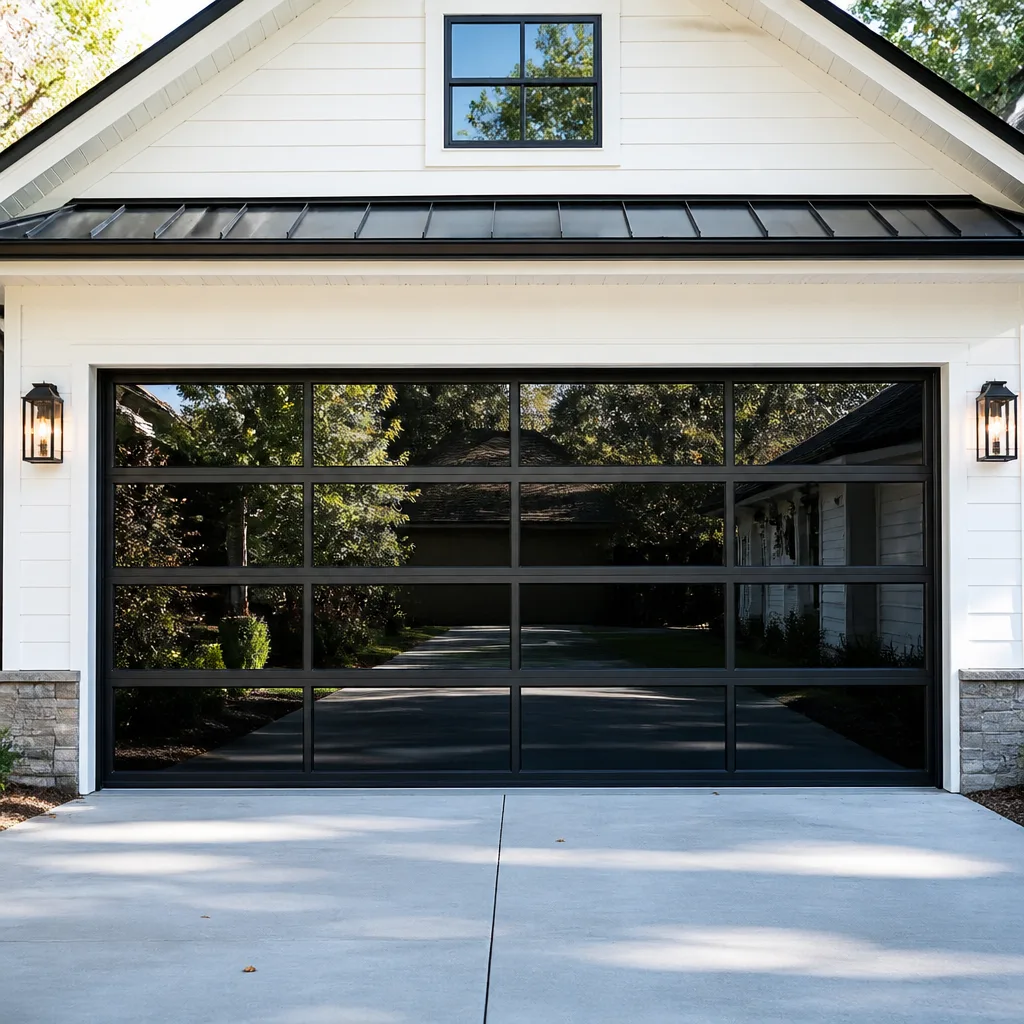 Full-view glass
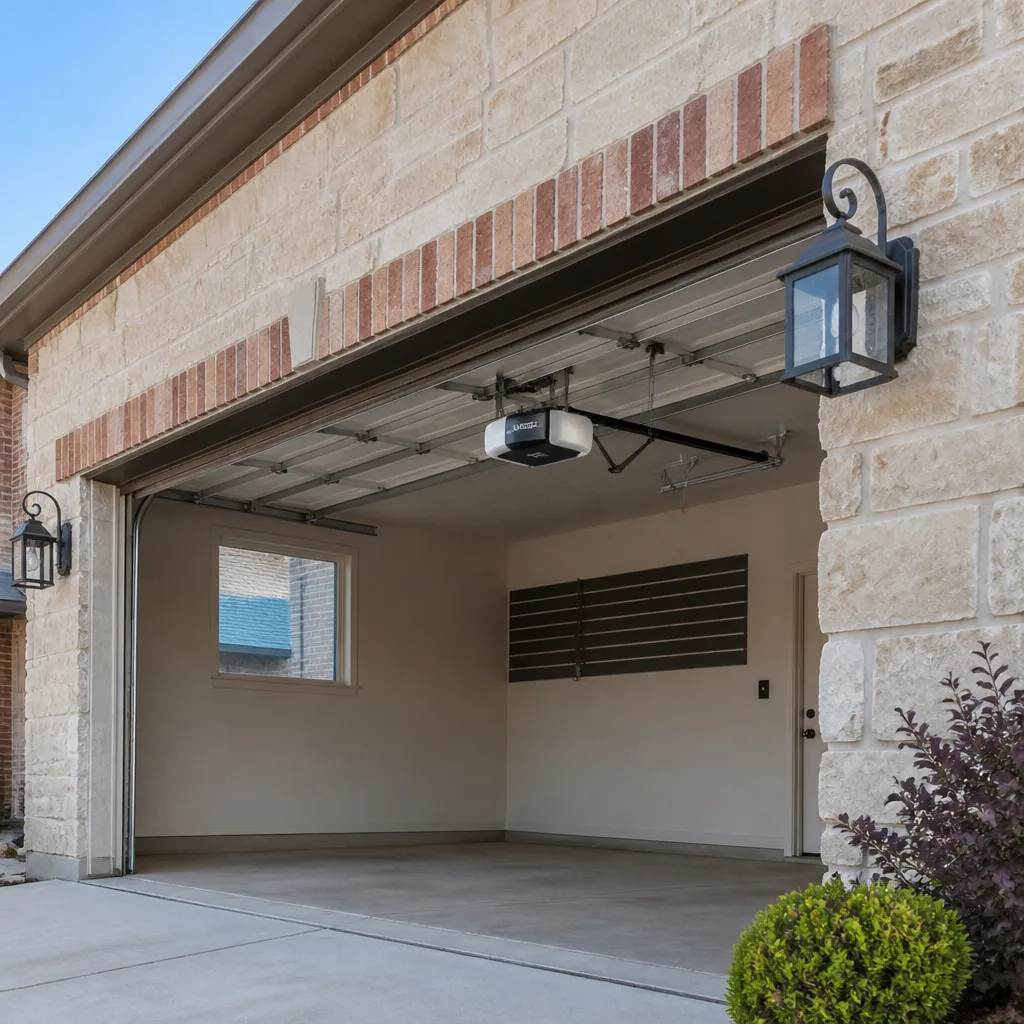 LiftMaster openers
 Chamberlain openers
Full 25-point door and opener safety check with every visit - springs, cables, rollers, tracks, and your LiftMaster or Chamberlain opener included
You get a price before we start. It does not change when the pro arrives.
Get your free estimateGarage Door Emergency Preparedness Guide for Dayton Homes
Most garage door emergencies in Dayton aren’t random. They follow patterns. A spring that’s been running on borrowed time for months finally lets go on the coldest morning of January. A power outage after a spring storm leaves a car trapped inside because nobody thought about the manual release until they needed it. Or a door that’s been freezing to its bottom seal since November finally strips the opener gear. The homeowners who come through these moments with the least damage and the smallest repair bill are almost never the lucky ones – they’re the prepared ones. This guide walks you through the specific failure scenarios that hit Dayton homes hardest, the exact steps to take when something fails, and how to set yourself up before anything does. You’ll learn the manual release procedure for the most common openers in this market, how to block a loose door safely overnight, how to free a frozen door without wrecking the bottom seal, and what to have ready before you call for emergency help.
Quick Answer
Garage door emergencies in Dayton usually fall into four categories: spring failure, opener failure, power loss, and weather-related damage. The right first response depends on which one you’re facing. A door that’s lost spring tension should be blocked from moving and left alone until a technician arrives. A door that’s stuck because of a power outage can usually be released manually and operated by hand. A door frozen to the floor needs heat and patience, not force. In every case, the fastest recovery comes from knowing the manual release location on your specific opener and having emergency contact information stored before you need it.
Styles & brands we work with
- Raised-panel steel
- Carriage house
- Modern flush
- Full-view glass
- LiftMaster openers
- Chamberlain openers
Table of Contents
- Why Dayton Garage Door Emergencies Follow Predictable Patterns
- How Do You Manually Release a Garage Door By Brand?
- What Do You Do When a Spring Fails and the Door Hangs Loose?
- How Do You Handle a Garage Door Frozen to the Floor in an Ohio Winter?
- What Happens to Your Garage Door Opener During a Power Outage?
- How Do You Prepare Before an Emergency Happens?
- What Should You Have Ready When You Call for Emergency Service?
- Seasonal Emergency Checklist for Dayton Homeowners
Why Dayton Garage Door Emergencies Follow Predictable Patterns
Dayton sits in a climate band that swings hard in both directions. Summers push doors through weeks of heat and humidity. Winters drop the temperature far enough to freeze a door to its bottom sill and shrink the metal components that hold your spring system together. Spring and fall bring the kind of severe thunderstorms that knock out power for hours at a time and send debris into door panels. So when we talk about garage door emergencies in Dayton, we’re not talking about one problem repeated in different forms. We’re talking about a short list of failure modes that show up with real regularity.
The most common categories break down like this:
- Spring failure. Torsion or extension springs reach the end of their cycle life and snap. Cold weather accelerates this because metal gets brittle. A door that rises a few inches and stops is usually telling you a spring has already failed.
- Opener failure. Gears strip, logic boards fail, and drive belts wear out. Opener manufacturers like LiftMaster, Chamberlain, and Genie build equipment that lasts, but every mechanism has a lifespan.
- Power loss. Storms take out power across neighborhoods, and the moment the power dies the opener stops functioning unless it has battery backup.
- Weather-related damage. Panels dent, tracks bend under wind load, and bottom seals freeze to the floor. Each of these can leave a door stuck.
The value in knowing these categories is that each one has a different first response. Treating a spring failure like a power outage – tugging on the release cord and trying to lift the door by hand – is exactly how a bad situation gets worse. If you know which category you’re facing, you know which steps apply.
How Do You Manually Release a Garage Door By Brand?
The manual release cord is a small red or black handle hanging from the trolley on your opener rail. Pulling it down disconnects the door from the opener so you can operate it by hand. In a power outage, this is the fastest way to get a car out of the garage. The procedure is nearly identical across brands, but a few openers have release mechanics that trip people up. Here’s the brand-by-brand breakdown for the equipment we see most in Dayton homes.
- LiftMaster and Chamberlain. Both brands (they share a parent company and use similar trolley designs) use a standard pull cord from the trolley. Reach up, grip the cord handle, and pull straight down toward the floor. You’ll hear or feel the trolley click out of engagement. The door is now disconnected and can be lifted by hand, though a door with broken springs may be too heavy to move safely. On some newer LiftMaster and Chamberlain models with built-in battery backup, the door will still run normally during an outage and the release cord is unnecessary. If your opener has a battery indicator light on the motor head, it’s worth checking before you need to use it.
- Genie. Genie’s release cord location is the same – hanging from the trolley. On a few older Genie models, the trolley connection point sits higher on the rail and is harder to reach from the garage floor. If you can’t reach the handle standing flat-footed, use a step stool rather than pulling up on the door itself. Never climb on the door to reach it.
- Raynor. Raynor openers typically use a standard trolley cord. The difference is the trolley engagement mechanism – Raynor trolleys engage more firmly and sometimes need a slightly harder pull before they release. If the cord pulls down but the door still won’t move by hand, the trolley hasn’t fully disengaged. Pull again and give the door a gentle push toward the open position to help it release.
- Craftsman. Craftsman openers use a trolley cord like the rest, but on older Craftsman units the cord is sometimes routed differently through a bracket and hangs behind the rail rather than in front of it. Reach carefully and follow the cord to its trolley connection – don’t yank on anything that isn’t clearly the release handle.
If the release cord has been cut, frayed off, or is inaccessible, don’t try to climb on the door or manipulate the trolley by hand. Call for service. The trolley is connected to spring-loaded components that can release suddenly.
What Do You Do When a Spring Fails and the Door Hangs Loose?
A door that’s lost spring tension is genuinely dangerous. Torsion and extension springs are under extreme tension, and a snap sends metal flying with enough force to cause serious injury. If a spring has failed and the door is hanging loose, the safest thing you can do is stop it from moving. The method is simple, and it protects the door overnight until a technician can come.
Here’s the blocking method:
- Leave the door exactly where it is. Don’t try to lift it, close it, or force it into position.
- Grab two or three pieces of 2×4 lumber. Cut or use pieces roughly 12 to 18 inches long.
- Slide a piece of wood under each corner of the door on the floor, angled snug against the panel bottom. These act as chocks that stop the door from rolling down.
- If the door is open and hanging, use a C-clamp or vice grip on the roller track just above a hinge to stop the door from sliding down the track. This prevents a sudden drop.
- If the door is closed but sagging, place a wedge block on each side to stop any movement.
The reason you block the door rather than try to move it is panel buckling. When a door has lost spring tension, the weight of the panels isn’t supported the way it should be. Forcing the door up or down even a few inches can bend the panels, and bent panels are more expensive to fix than the spring itself. A blocked door can sit safely overnight. A door that’s been forced into position often can’t be repaired – it has to be replaced. The difference in cost is significant, and it comes down to whether you leave the door alone.
Spring work is the most safety-critical part of garage door repair. We treat it as a defined specialty because it genuinely is one. Torsion springs, in particular, need proper winding bars and knowledge of the exact tension settings for your door’s size and weight. This isn’t a homeowner project.
How Do You Handle a Garage Door Frozen to the Floor in an Ohio Winter?
Walk up to your garage on a January morning in Dayton, and the door won’t budge. The motor runs, tries to lift, and either strains and stops or strips the opener gear. Nine times out of ten, the door has frozen to the bottom sill. The metal bottom seal has bonded to the concrete or the threshold through ice, and the opener is fighting a force it was never designed to overcome.
The right response is heat and patience. The wrong response is force. Here’s how to free a frozen door without damaging the bottom seal or stripping the opener drive:
- Disconnect the opener using the manual release cord. You don’t want the opener straining while you free the door.
- Use a heat gun or a hairdryer on the low setting. Work the warm air along the bottom edge of the door where it meets the threshold, moving slowly from one side to the other.
- Gently lift the door by hand from the bottom center. If it moves without resistance, keep lifting until it’s fully open. If it doesn’t move, apply more heat and try again.
- Never use a hammer, pry bar, shovel, or anything similar to break the ice. The bottom seal is rubber or vinyl and tears easily. Metal tools also dent the lowest panel, which is very common in wet, freezing conditions.
- Once the door is free, dry the bottom seal and the threshold completely. A light coat of silicone spray on the seal helps prevent this from happening again the next time the temperature drops.
If the door has already strained the opener before you noticed it was frozen, the gear or drive might already be compromised. Pay attention to any grinding or slipping noise after the door is freed – it’s a sign the opener needs service before it fails outright. If you’re not sure whether the opener is still healthy after a frozen-door event, this is the kind of thing garage door opener repair covers, and it’s worth checking before the next freeze.
What Happens to Your Garage Door Opener During a Power Outage?
The first question on every homeowner’s mind during a storm-related outage is whether they’ll be able to get out of the garage. The answer depends entirely on which opener they have. Some come with battery backup built in. Some can be retrofitted. And some have no backup at all and require manual release every time. Knowing which category your opener falls into before the power dies is the whole game.
- Openers with built-in battery backup. LiftMaster and Chamberlain both make models with integrated battery backup systems that engage automatically when power drops. Between outage events, the battery holds a charge while the unit runs on mains power. When the power dies, the opener switches to battery power and continues to operate normally for a limited number of open and close cycles before the battery is depleted.
- Openers that can be retrofitted. Many older LiftMaster and Chamberlain openers accept a battery backup accessory that mounts to the motor head. These retrofit kits are a worthwhile investment in any Dayton home, since storm-induced outages here are common and can last for hours. A retrofit doesn’t require replacing the opener.
- Openers with no backup. Older Genie, Raynor, and Craftsman units built before battery backup integration became common have no battery option. The manual release cord is the only solution during an outage – which means it needs to be reachable and functional.
How many cycles a battery backup delivers per charge varies by model and by how old the battery is. A fresh battery often covers several open and close cycles, but a battery at the end of its life might manage one or two. Check the indicator on the motor head to see the battery’s current state. If the battery is more than a few years old, it’s a good candidate for replacement before storm season hits. If you’re not sure whether your opener has backup or how to check, our garage door repair team can test it in one visit.
How Do You Prepare Before an Emergency Happens?
The single highest-value thing you can do is prepare before anything fails. That means three concrete steps: finding your manual release, testing it, and selecting an emergency service contact. None of these takes more than a few minutes, and all three pay off in a moment when you don’t have time to research.
Step one: locate your manual release cord. It hangs from the trolley on the opener rail – usually a red handle with a cord. Pull it once, gently, and confirm it disengages the door. Then close the door by hand and re-engage the trolley by pulling down until it clicks back into the opener. This is a skill you want to have in your muscle memory, not one you want to learn at 7 AM on a Saturday with the car trapped inside.
Step two: check the opener’s power status. Look at the motor head of your opener. Does it have a battery indicator light? If it says “LiftMaster” or “Chamberlain” on the rail, check for a battery backup module mounted on the top or side. If you find nothing, your opener is manual-release only.
Step three: select and store your emergency garage door service contact. This is where the pre-work really matters. Choose a company that can service the specific brand you own – LiftMaster, Chamberlain, Genie, Clopay, Amarr, Wayne Dalton, Craftsman, or Raynor – because a technician who already knows your system’s tolerances is faster and more accurate than one learning on the job. Save the number in your phone contacts and in a place you’ll find it when internet is down. Also save it someplace physical: a card on the garage wall near the door, or inside the garage door safety label.
When an emergency hits, you’ll be making decisions under stress. Having the number saved and knowing what to say is the difference between a thirty-minute resolution and a two-hour ordeal. That’s why we keep the phone answered overnight and into the early morning – the emergency doesn’t wait for business hours, and neither should your response.
What Should You Have Ready When You Call for Emergency Service?
The call itself takes less than five minutes if you have the right information ready. The goal is to give the technician enough to arrive with everything needed to diagnose and repair in one trip. Here’s what to have on hand:
- The door’s current condition. Is it open, closed, or stuck somewhere in between? Is it sagging? Does it look level?
- What you saw or heard when it failed. A loud snap is usually a spring. A grinding noise from the opener head is usually a gear or drive belt. A bang followed by the door stopping is often a cable. Describe what happened.
- Your opener make and model. LiftMaster, Chamberlain, Genie, Raynor, Craftsman – the brand is on the motor head. Model number is usually on a sticker on the same surface.
- Your door’s material and approximate size. Steel, aluminum, or wood panels? Single car or double car?
- Your address and any access notes. Alley access, driveway narrowness, gate codes, pets in the yard – anything that could slow a technician down when they arrive.
- Whether the door is blocking a vehicle. If a car is trapped inside or the door is open and the home is unsecured, say so early. It changes the priority of the call.
Being ready with these details is the difference between a general “we’ll be out” and a call where the technician already has the right parts in mind. If the failure is a spring – one of the most common emergency calls in Dayton – the technician will likely be arriving with the correct spring size and a winding kit. If it’s an opener issue, knowing the brand in advance means less time spent on diagnosis. We answer 24/7, so whether the failure happens on a Sunday morning or after the day’s dispatch is done, your call gets answered and the next available opening is booked.
Seasonal Emergency Checklist for Dayton Homeowners
Garage door failures cluster around specific seasonal conditions in Dayton. A short seasonal walkthrough of your door keeps emergencies rare and repairs smaller. Here’s what to check and when.
Before winter (November):
- Lubricate hinges, rollers, and the spring with a garage-door-specific lubricant. Cold weather thickens grease and strains the opener.
- Inspect the bottom seal for cracks or tears. A worn seal bonds to a frozen floor and creates the freeze scenario described earlier.
- Test the opener’s reverse safety feature by placing a piece of 2×4 under the closing door. The door should reverse on contact.
- Replace the battery in any battery backup module. Old batteries are the top reason backup fails when you need it.
Before storm season (spring):
- Check the door balance. Disconnect the opener, lift the door halfway, and let go. It should stay in place. If it drops, the springs are losing tension.
- Look at the panels for existing dents or bends. A weakened panel is more likely to fail under wind or impact.
- Confirm your manual release cord is intact and reachable, and that you can operate it without climbing on anything.
Before summer (May):
- Clean the tracks. Debris from spring storms works into the track and causes rollers to bind.
- Check that the auto-reverse sensors on either side of the door are aligned. Misaligned sensors cause the door to reverse without reason or refuse to close.
If any of these checks turn up something you’re not sure about, that’s the moment to book service. Repairing a worn seal or a weakening spring before it fails costs much less than cleaning up after a complete failure. If your full door has reached the end of its serviceable life, full replacement is the right call, and that’s what garage door installation covers.
Common Mistakes to Avoid
- Forcing a door that’s lost spring tension. When a spring has snapped, the door’s weight distribution is no longer supported. Pushing or pulling on the door bends the panels and can turn a spring repair into a full door replacement. Block the door and leave it alone.
- Climbing on the door to reach the release cord or trolley. The door isn’t stable when it’s disconnected from the opener. Use a step stool or call for help rather than putting weight on the door.
- Hammering or prying at a frozen bottom seal. The seal tears and the bottom panel dents easily. Use a heat gun or hairdryer and work slowly.
- Trying to replace a torsion spring yourself. Torsion springs are under extreme tension and can cause serious injury if they release unexpectedly. Spring work requires proper winding bars and knowledge of exact tension settings. This is a job for a trained technician, no exceptions.
- Ignoring the manual release until you need it. Homeowners often discover the release cord is cut or unreachable only after the power dies and they’re trapped. Test it once, before an outage.
- Assuming a battery backup is still working because it’s installed. The battery only holds charge for a few years. If it’s old, it fails right when you need it. Check the indicator and replace it proactively.
- Calling a generalist for a brand-specific opener failure. A technician unfamiliar with the specific tolerances of your LiftMaster, Chamberlain, or Genie is more likely to fix the visible symptom without addressing the underlying issue. Match the service to the brand.
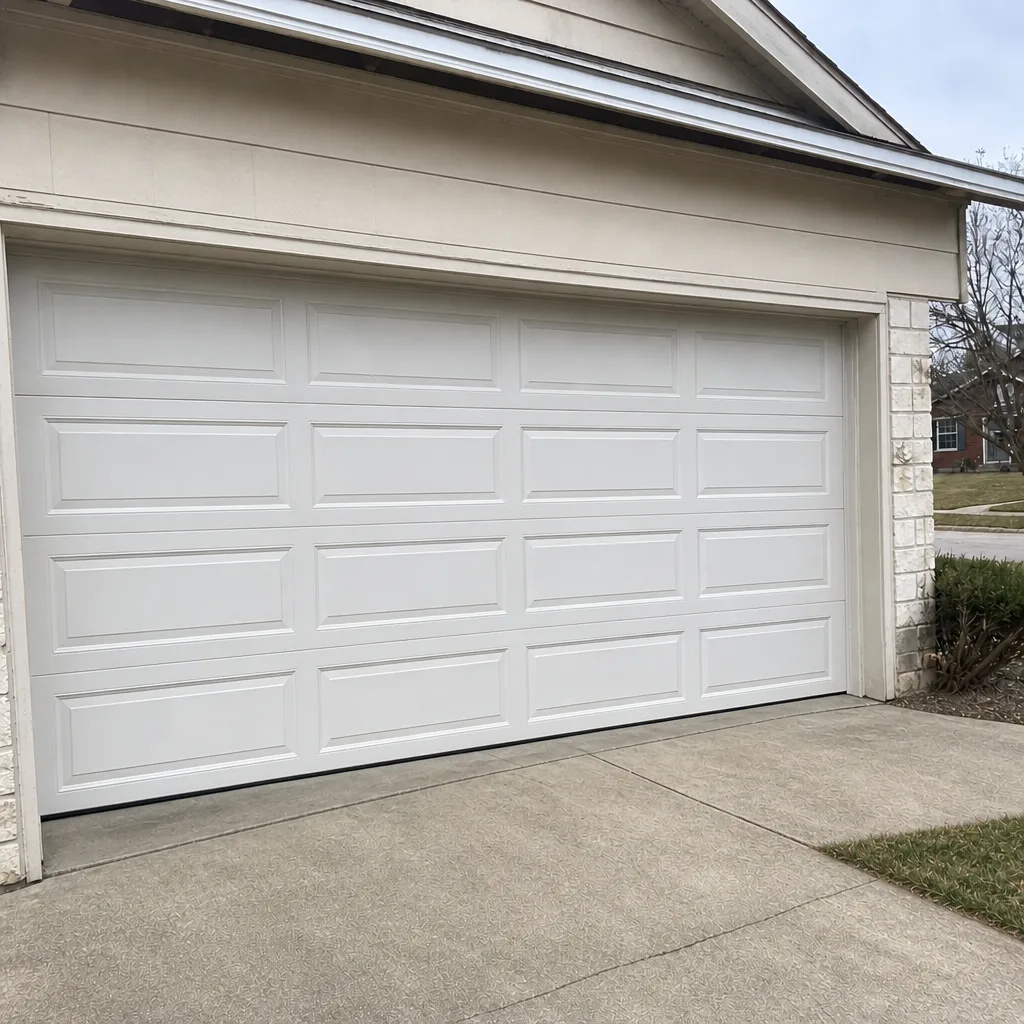
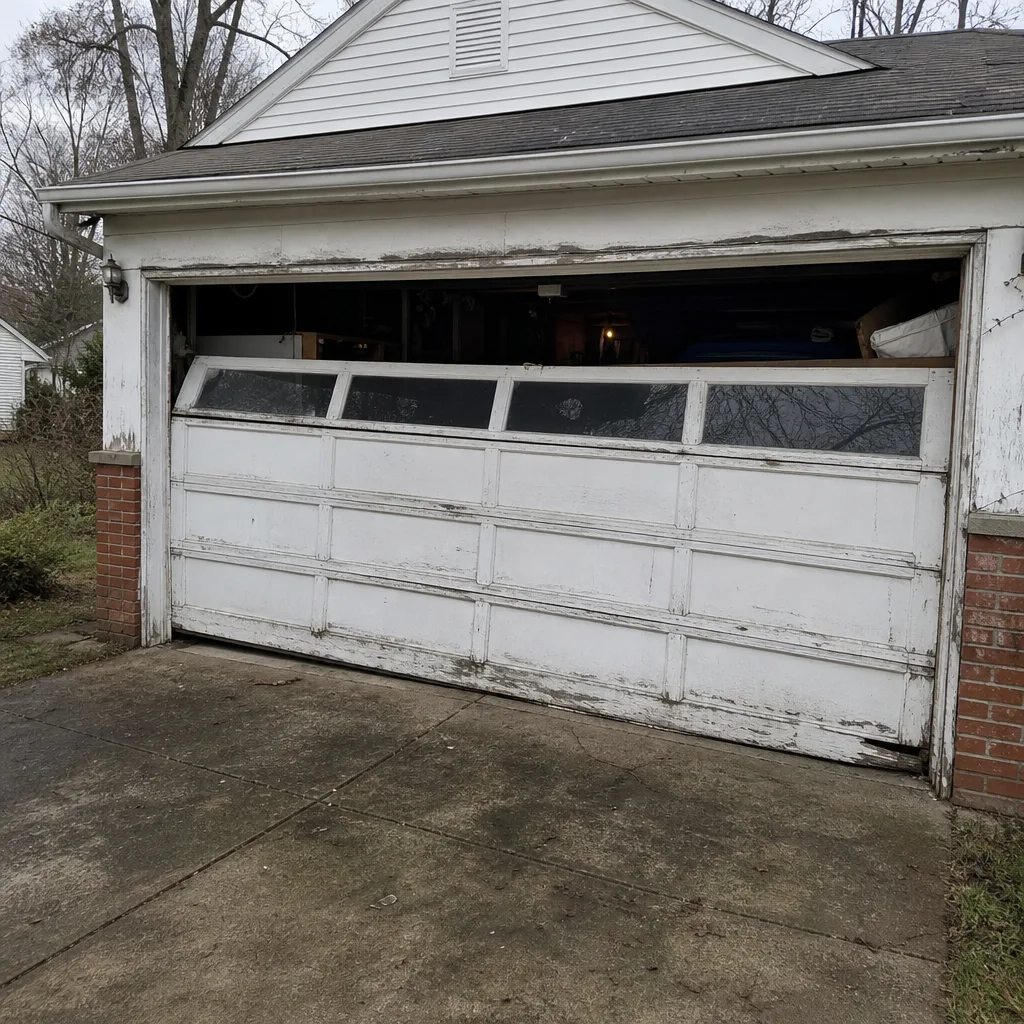
See the difference
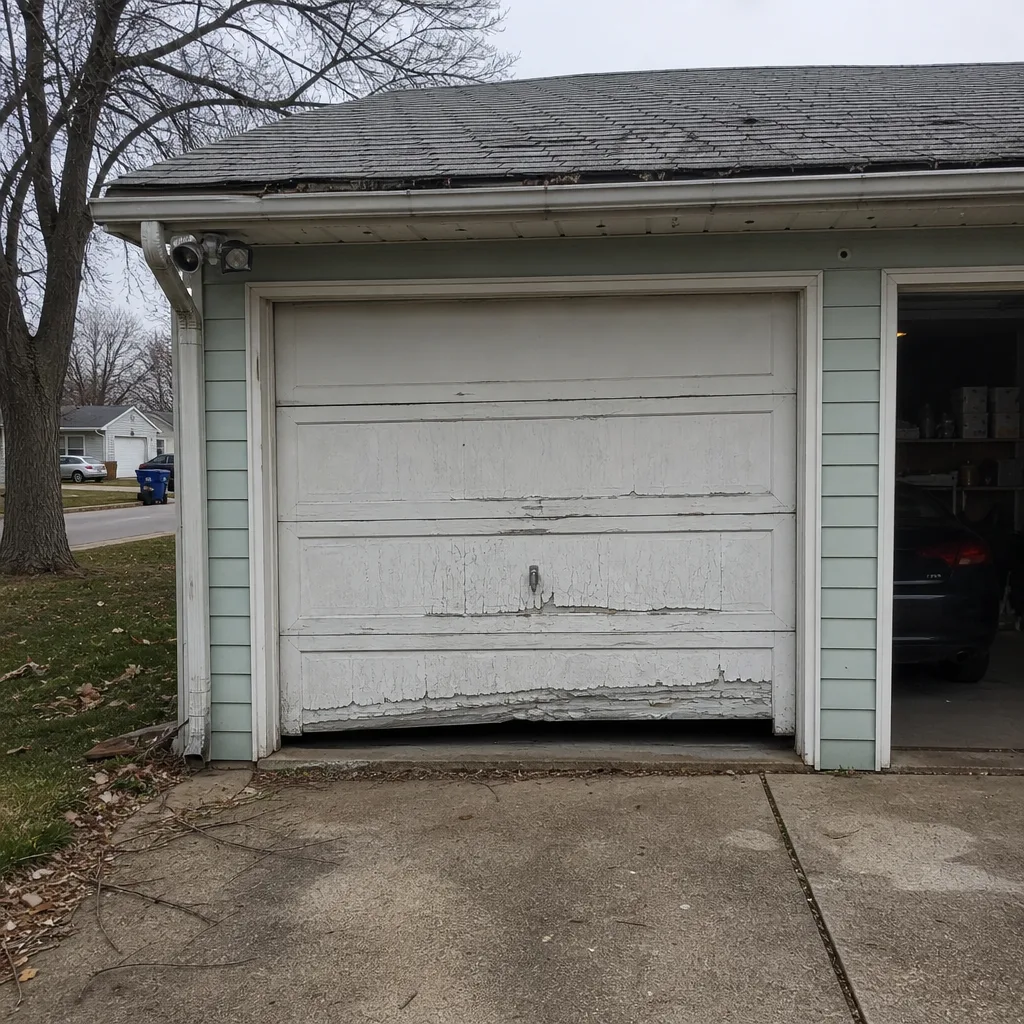 Before
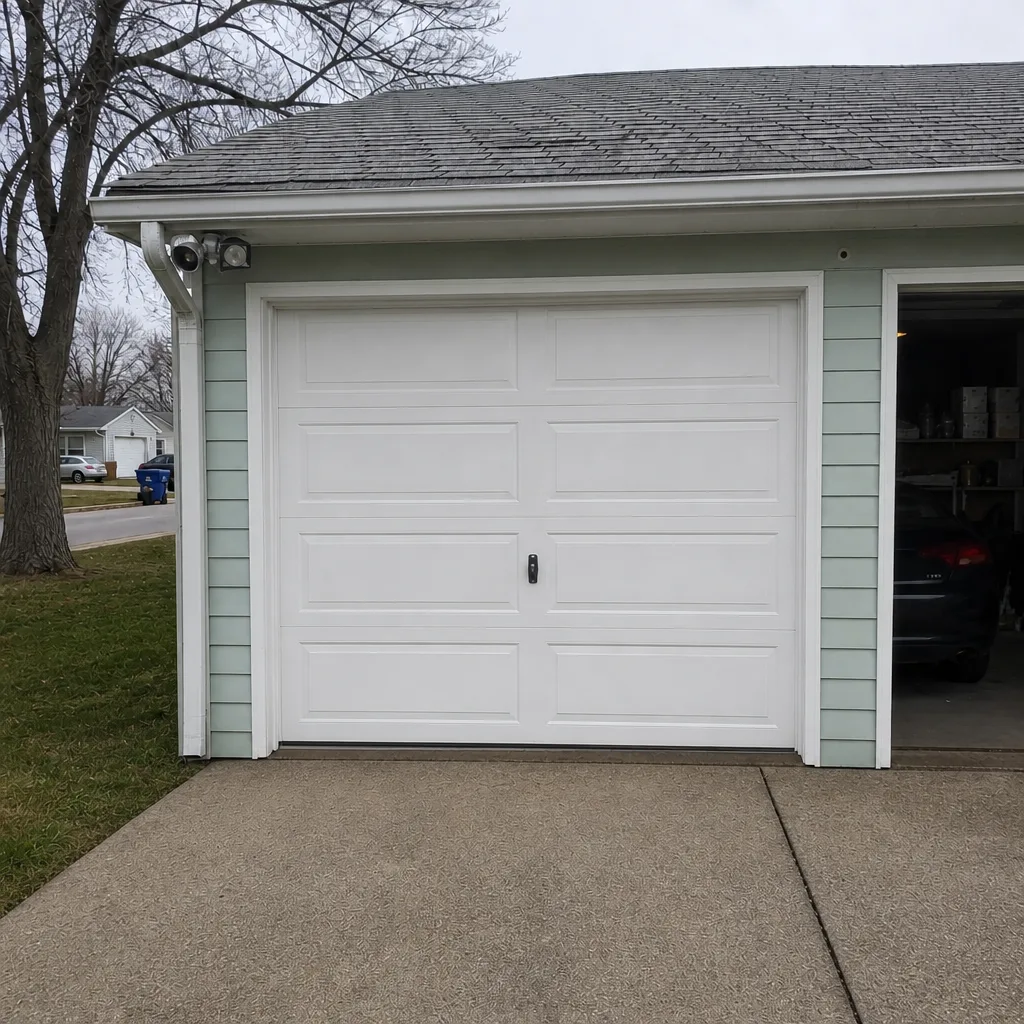 After
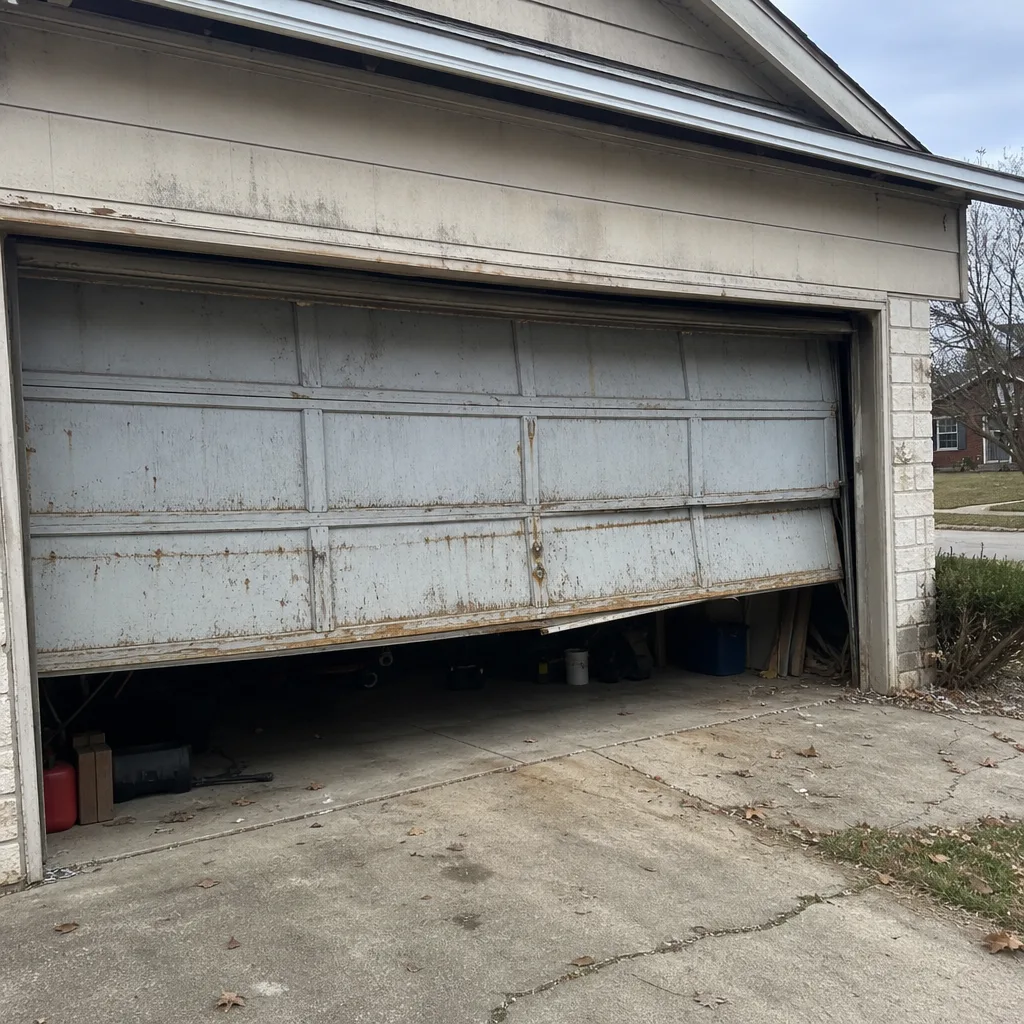 Before
 After
 Before
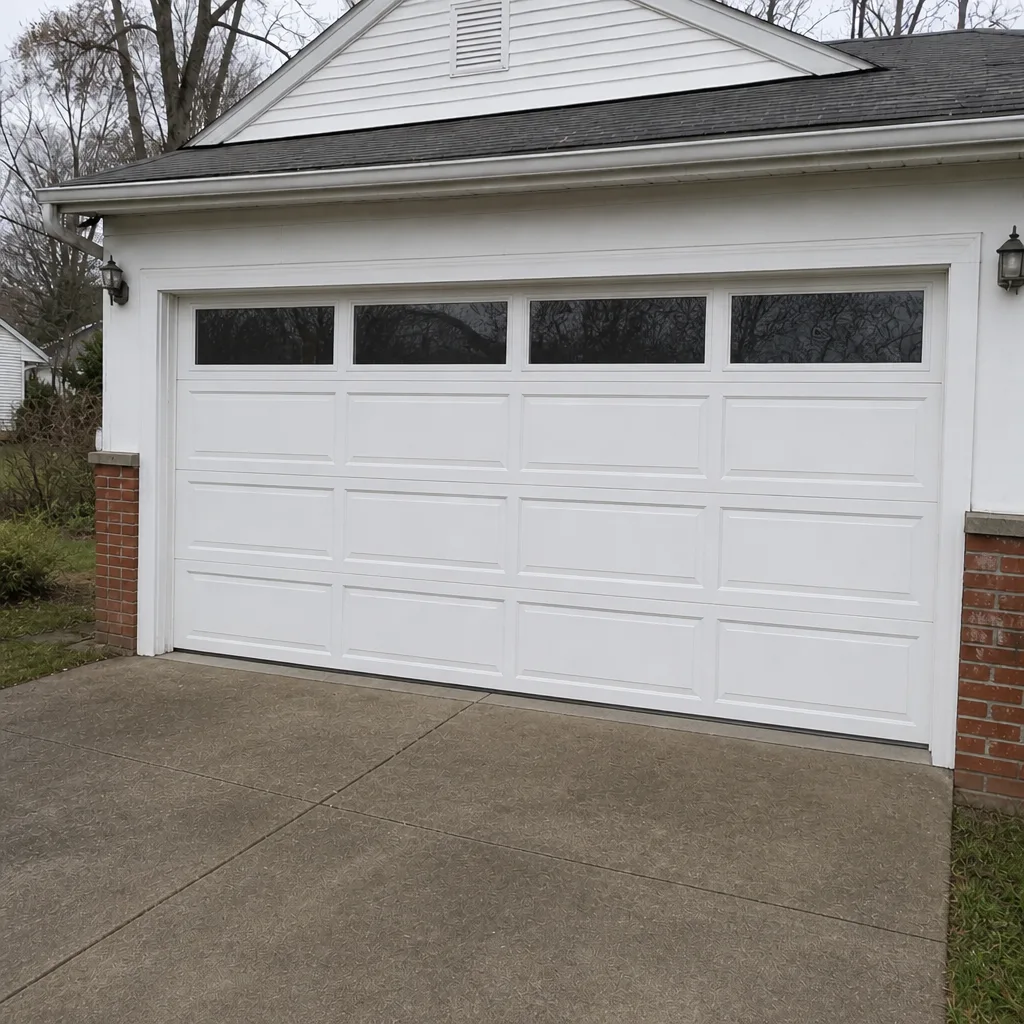 After
When to Call a Professional
Some garage door issues are genuinely safe to look at yourself. Others are not. The dividing line is whether the work involves the springs, cables, or the internal drive mechanism. If a spring has failed, a cable has snapped, the door has dropped suddenly, or the opener is making grinding or slipping noises after a freeze event, call for service. If you’re not sure whether the opener is compromised, that’s also a call – an early repair is cheaper than a complete failure. Same-day service is available for most repair situations, and our technicians have up to 12 years of experience working across all major brands. Dayton Garage Door Repair Pros offers free estimates in Dayton. Call (866) 937-7781 to book. We answer 24/7, with fast dispatch from 7am to 7pm, Sunday through Friday.
Frequently Asked Questions
Pull the red or black manual release cord hanging from the trolley on your opener rail straight down. You’ll feel the trolley disengage, and the door can then be lifted by hand. Test this once before an outage so you know where the cord is and how it feels when it releases. If the cord is cut or out of reach, call for service rather than climbing on the door.
Usually not. A door with a broken spring is extremely heavy and can drop or slam without warning. Block the door from moving using 2×4 lumber or a clamp on the track, and don’t attempt to lift it. Spring repair is one of the most safety-critical jobs in garage door service, and it needs a trained technician with the right tools.
The rubber or vinyl bottom seal absorbs moisture, and when temperatures drop below freezing, that moisture bonds the seal to the concrete or threshold. The right fix is heat – a heat gun or hairdryer on the low setting – worked slowly along the bottom edge. Never hammer or pry. Silicone spray on the seal once it’s dry helps prevent the bond from forming again.
Yes, always ask before booking. A licensed and insured technician protects you if something goes wrong during the repair and ensures the work meets local standards. Verify by asking the company directly before they arrive. If they can’t confirm licensing and insurance, call someone else.
The price depends on the specific failure, the parts required, and your door’s size and brand. There’s no single rate because every emergency is different. The estimate is free and the price is set per job by the written estimate before any work starts. Call (866) 937-7781 for an exact quote.
We service equipment from LiftMaster, Chamberlain, Genie, Clopay, Amarr, Wayne Dalton, Craftsman, and Raynor. Because our technicians are trained on all eight brands, they arrive already familiar with the specific tolerances and quirks of your system. Whatever opener or door you have, our Dayton Garage Door Repair Pros team can work on it.
The Bottom Line
Garage door emergencies in Dayton are predictable, and that’s good news. The homeowners who come through a failed spring, a power outage, or a frozen door with the smallest cost and fastest recovery are the ones who prepared in advance. Know your manual release location. Test it once. Check whether your opener has battery backup and keep the battery fresh. Keep a few pieces of 2×4 near the garage for a loose-door situation. And save your emergency service contact somewhere you’ll find it when you need it. None of that takes more than an afternoon. It’s the difference between a blocked door and a bent one, a small repair and a full replacement, a stressful morning and a manageable one. When something does fail, call (866) 937-7781 for a free estimate. We answer 24/7, with fast dispatch from 7am to 7pm, Sunday through Friday.
Written by the team at Dayton Garage Door Repair Pros.