
Last updated November 21, 2026
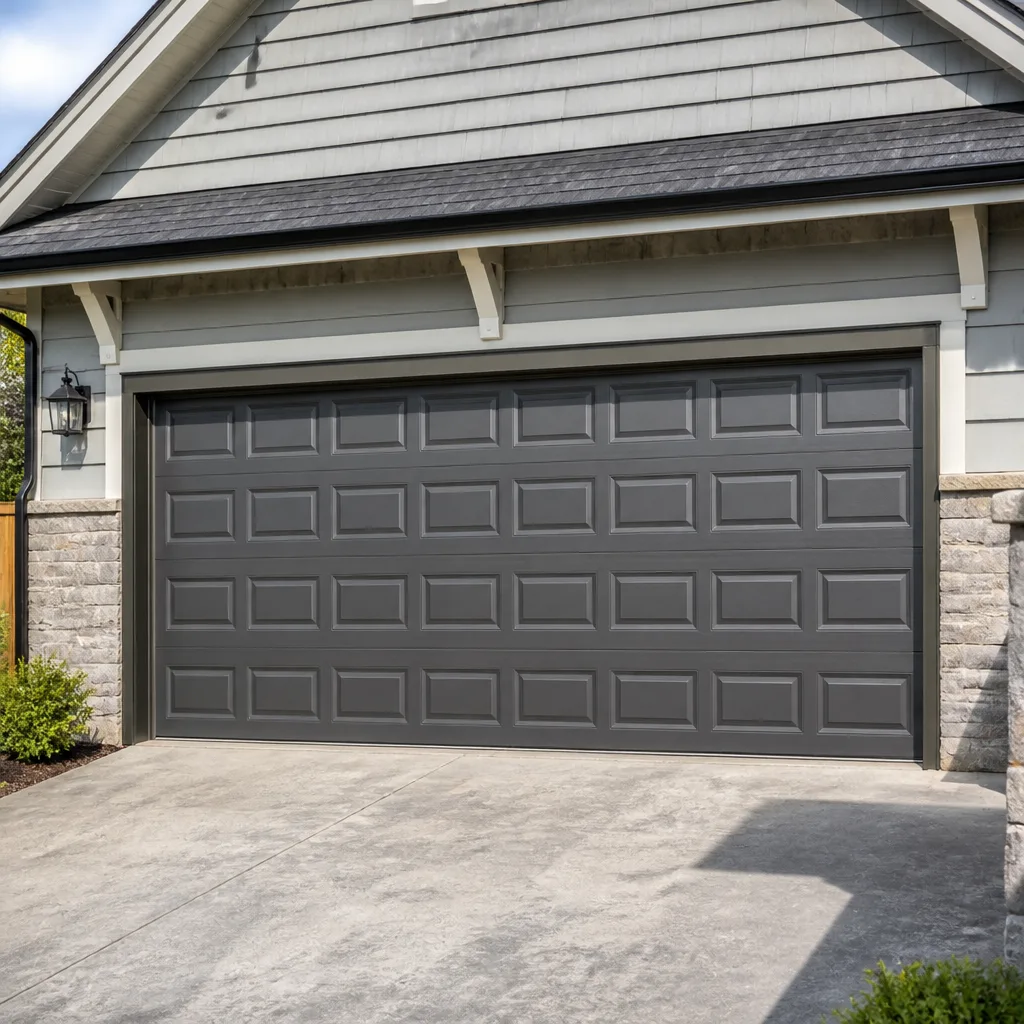 Raised-panel steel
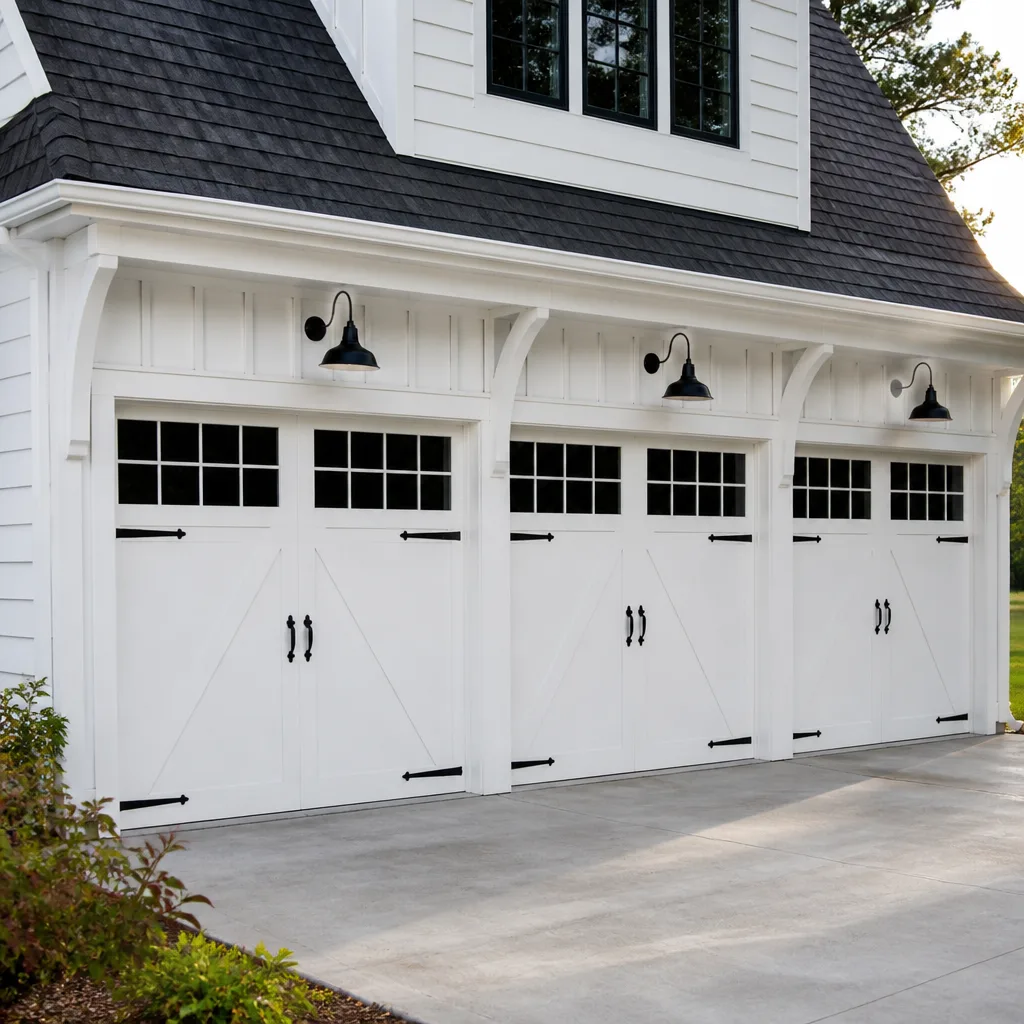 Carriage house
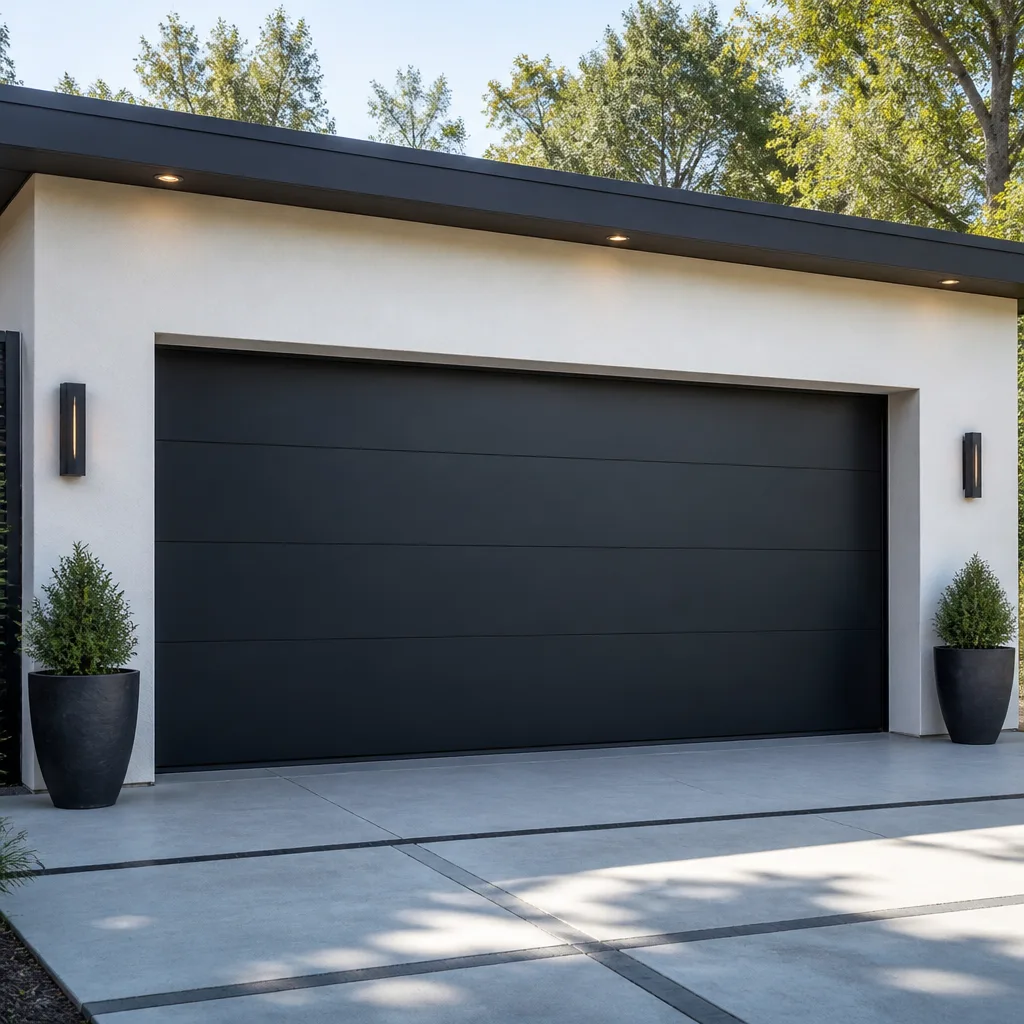 Modern flush
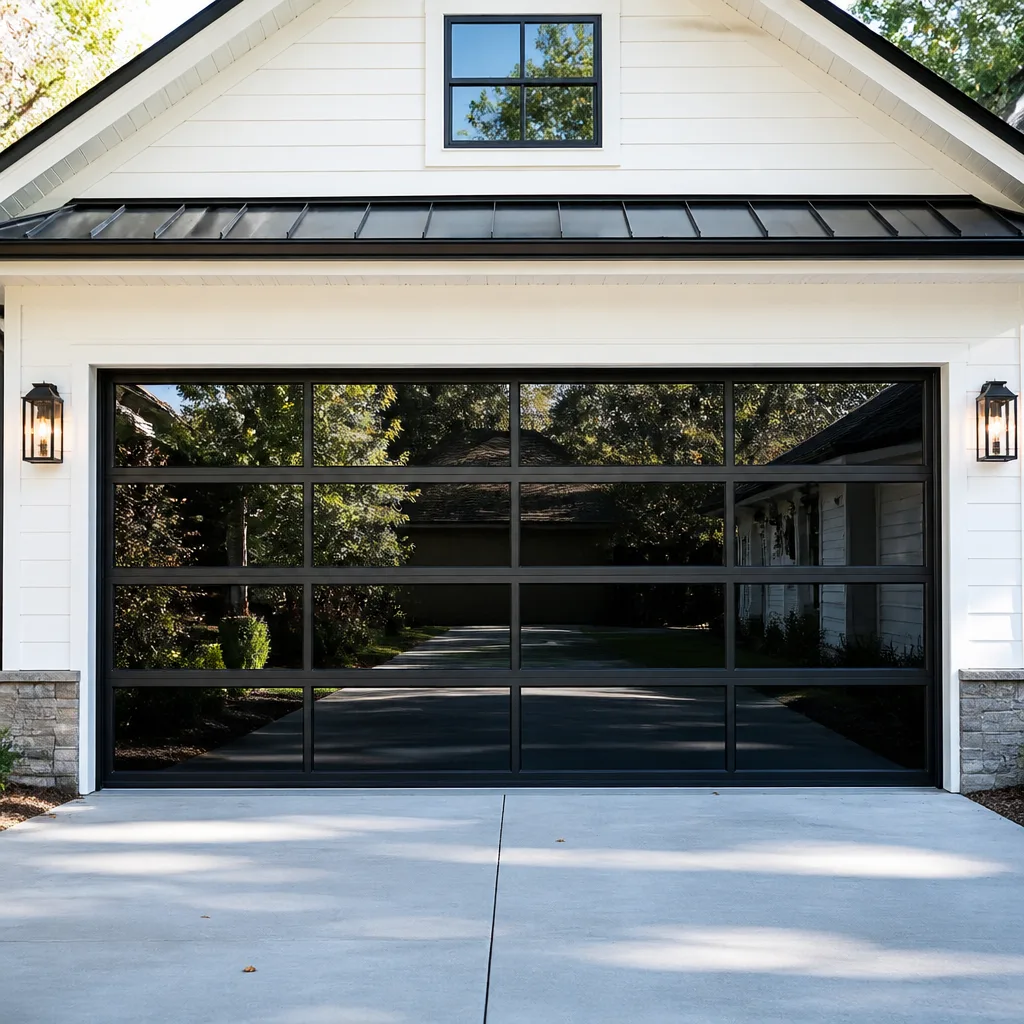 Full-view glass
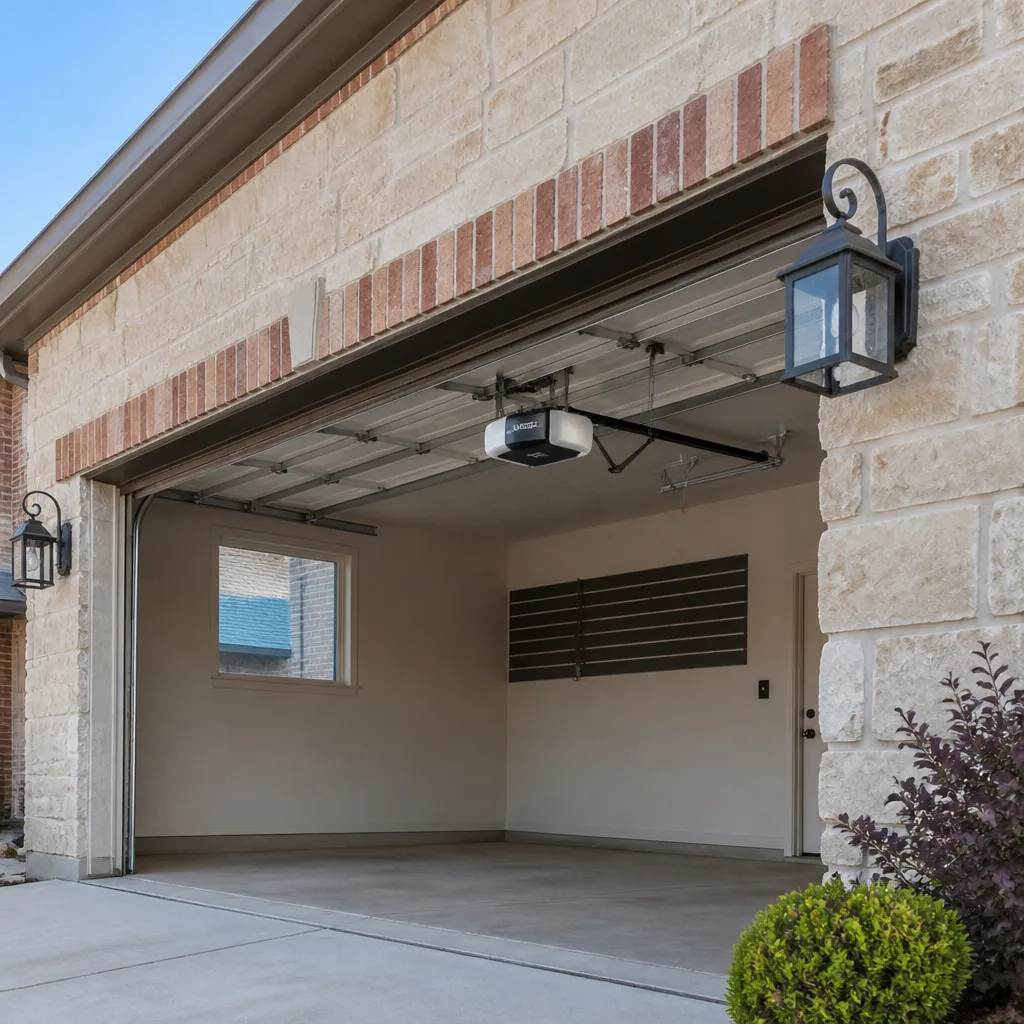 LiftMaster openers
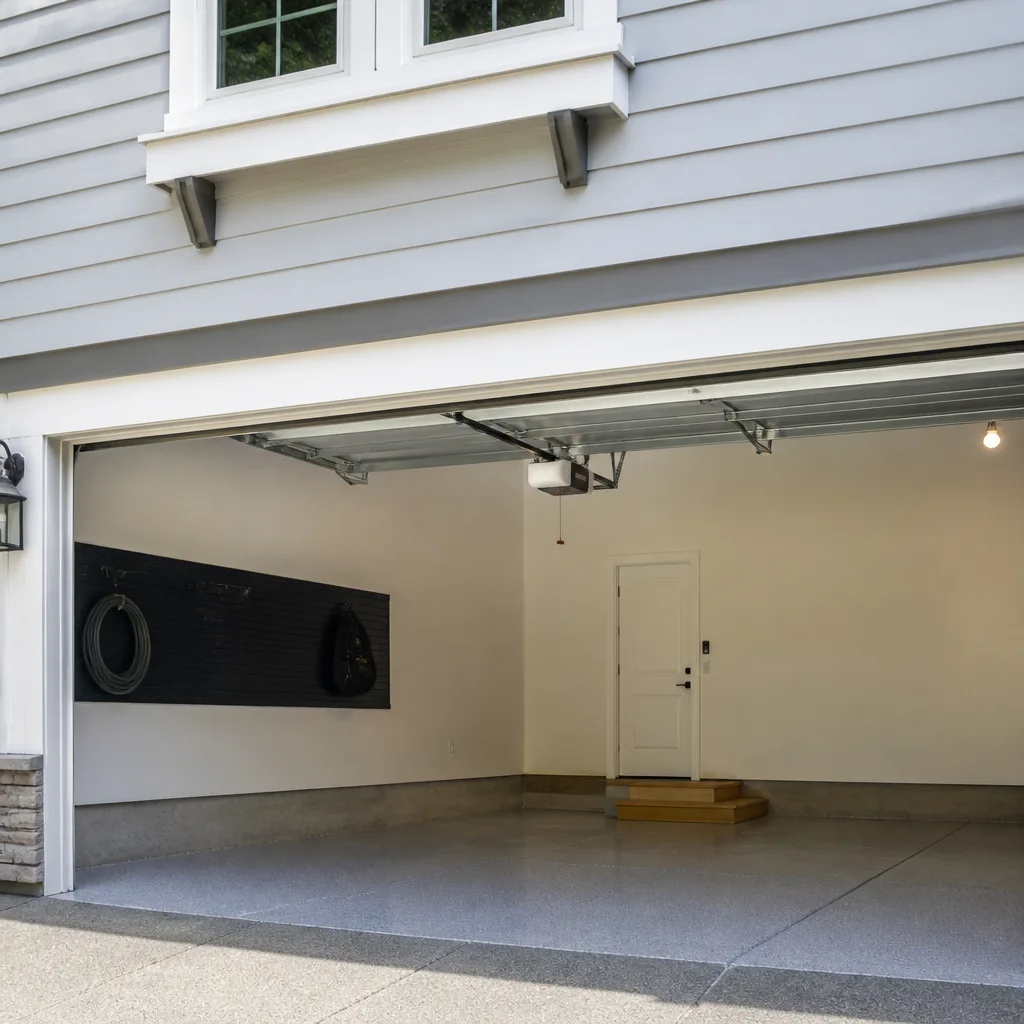 Chamberlain openers
Full 25-point door and opener safety check with every visit - springs, cables, rollers, tracks, and your LiftMaster or Chamberlain opener included
You get a price before we start. It does not change when the pro arrives.
Get your free estimateThe Complete Guide to Garage Doors in Dayton
Most garage door advice you’ll find online was written for a national audience that doesn’t really exist. A door that performs fine in Phoenix can fight you every winter in Dayton, where freeze-thaw cycles happen dozens of times a season and a large share of the housing stock predates 1980. Those older homes were often framed for manually operated doors, so dropping in a modern opener or an insulated system isn’t always the simple swap it looks like. This guide covers what actually matters here: how Dayton’s climate treats your door, how older openings limit your options, which work triggers a permit, and how to vet an installer before you sign. We’ll keep it practical, because a garage door is a working machine, not a showroom piece.
Quick Answer
Choosing and maintaining a garage door in Dayton comes down to three things: pick a material and insulation level that survive our freeze-thaw swings (steel with a thermal break for attached garages, and bottom seals that get checked every fall), confirm your opening fits what you want to buy (older 7-foot openings are tighter than most buying guides assume), and hire a state-licensed, insured installer whose written estimate spells out the door, the hardware, and the labor before anyone touches the track. Knowing which jobs need a permit and which don’t saves you from surprises later.
Styles & brands we work with
- Raised-panel steel
- Carriage house
- Modern flush
- Full-view glass
- LiftMaster openers
- Chamberlain openers
Table of Contents
- How Dayton’s Freeze-Thaw Cycles Affect Your Garage Door
- Why Older Dayton Homes Limit Your Door and Opener Options
- Insulation and R-Value: Attached vs. Detached Garages
- Which Garage Door Jobs Need a Permit in Dayton?
- Choosing a Door Material for Dayton Weather
- Choosing and Maintaining an Opener
- How to Vet a Garage Door Installer
- Springs, Cables, and Safety
How Dayton’s Freeze-Thaw Cycles Affect Your Garage Door
Dayton sits in a part of Ohio where the temperature can swing above and below freezing more than 40 times a year. That’s a lot of expansion and contraction for anything made of metal, rubber, or wood. Doors don’t fail all at once from this. They wear unevenly, and the wear shows up first at the seals and the hardware.
What that looks like in practice:
- Bottom seals crack and flatten. The rubber astragal at the base of the door flexes every time it meets a frozen or heaving floor. Over a few winters it loses its memory and stops sealing, which lets cold air and moisture into the garage.
- Steel panels dent and hold rust at seams. Water gets into hairline seams, freezes, and pushes them wider. Steel with a proper factory finish resists this far better than a cheap door, which is one reason material choice matters more here than in a dry climate.
- Track and roller wear accelerates. Rollers that are slightly out of round will chatter louder in cold weather as the metal contracts. That chatter is a symptom, not a personality trait.
- Wood doors move. If you have an older wood door, the panels can swell and bind in humid summers and shrink in dry winter air, which throws off the alignment of the whole assembly.
The fix isn’t complicated: inspect the seal and hardware each fall before the first hard freeze, and address small alignment issues before they turn into a bent track or a snapped spring. A door that’s tuned before winter behaves far better through it. If something’s already off, the team at Dayton Garage Door Repair Pros can take a look and tell you what’s actually wrong.
Why Older Dayton Homes Limit Your Door and Opener Options
A large portion of Dayton homes were built before 1980, and many of those garages were designed around a manually operated door. The opening was often framed at 7 feet, and the headroom above the door was set for a simple torsion or extension spring, not for a modern opener’s rail and motor. This is where national buying guides fall short: they assume an 8-foot opening and generous headroom, and they don’t tell you that your opening may not fit the door you’ve been shopping for.
Here’s what to confirm before you buy anything:
- Measure the opening at its narrowest point (width) and from the floor to the top of the opening (height). Measure the headroom above the door. Write both numbers down.
- Check the side room on each side of the door. Torsion springs and track brackets need clearance, and a tight older opening may need a low-clearance setup.
- Check the backroom, the distance from the door to the back of the garage, because it dictates whether a standard rail opener will fit at all.
- Look at the framing. Older openings sometimes have uneven or settling headers, and that affects how a new door hangs and seals.
If your opening is a 7-footer with tight headroom, you can usually still get a good door and opener, but the choices narrow. Low-clearance torsion setups solve most headroom problems. A qualified installer measures all of this before ordering, because a door that doesn’t fit is an expensive mistake to discover at delivery. Our technicians have up to 12 years of experience with exactly these older openings, and they work on Craftsman and Raynor systems regularly.
Insulation and R-Value: Attached vs. Detached Garages
Insulation is where a lot of Dayton homeowners overspend, because they buy the highest R-value they can find for a detached garage that doesn’t share a wall with the living space. The right question isn’t “what’s the highest R-value?” It’s “which garage am I insulating, and why?”
Ohio’s heating degree days mean an attached garage acts as a buffer between the house and the cold outside. Insulating it well reduces heat loss through the shared wall and can keep the garage comfortable enough to use. A detached garage only needs enough insulation to protect the door hardware and keep the space usable, not to seal a thermal boundary with the house.
- Attached garage, everyday use: an insulated door makes a measurable difference to the rooms above or beside it. In existing homes with issues, finishing an attached garage is a common priority.
- Attached garage, rarely used: a moderately insulated door is usually the right call. You’re not heating it deliberately, so the extra insulation pays back slowly.
- Detached garage: insulation mostly protects the door from condensation and keeps the space from being brutal in deep winter. Don’t overbuy.
Whatever you choose, the seal and threshold matter as much as the R-value. An insulated door with a leaky bottom seal performs worse than a plain door that seals tightly. That’s a detail worth pressing your installer on.
Which Garage Door Jobs Need a Permit in Dayton?
Permit rules are where most guides blur the line. The distinction that matters is between repair and replacement, and between the door and the opener. In general:
- Full door replacement: this is the change most likely to trigger a permit, because it’s a structural opening and you’re altering a component the building code treats seriously. Ask the City of Dayton’s building department what applies to your project before work starts.
- Opener replacement or repair: swapping an opener is typically treated as an appliance or equipment change and usually doesn’t require a permit on its own. Confirm with the building department if you want certainty.
- Spring, cable, or roller repair: this is maintenance, and it generally doesn’t require a permit. It does require a trained technician.
The safe move is to pick up the phone and ask the building department directly. Rules change, and what applied to your neighbor’s job a few years ago may not apply to yours. A contractor who tells you a permit is never needed for a full door replacement is one to question, because permitting is exactly the kind of detail a professional should be comfortable discussing. If you’re weighing a repair against a replacement, garage door repair is the right starting point, and a good technician will tell you when the door is past saving.
Choosing a Door Material for Dayton Weather
Material choice is the single biggest factor in how a door holds up here, because our combination of freeze-thaw cycling, summer humidity, and winter salt on the roads wears materials differently than a drier climate. Here’s how the options actually stack up for Dayton.
Steel
Steel is the workhorse. It’s strong, resists the freeze-thaw cycling better than wood, and holds a factory finish for a long time. The trade-off is that a cheap steel door dents easily and rusts at seams once the finish fails. A steel door with a proper thermal break and a good coating is the most sensible choice for most attached garages in Dayton.
Wood and Wood-Composite
Wood looks great and you can’t beat it on character, but it moves with humidity and needs regular staining or sealing. In our climate, that’s real annual work. Composite doors get you some of the look with less movement, but check the manufacturer’s guidance on moisture exposure.
Aluminum
Aluminum resists rust and is light, which is easy on the opener. It’s also easier to dent than steel, and it conducts temperature, so insulation matters more.
Fiberglass
Fiberglass won’t rust and holds finish well. It’s a reasonable middle ground, though it can crack under impact. If your door faces the street and takes occasional knocks, factor that in.
Whichever material you pick, the door hardware and the seal do a lot of the work. That’s the part most people overlook, and it’s the part that fails first. When it’s time for a new door, garage door installation covers the full process from measurement to the final adjustment.
Choosing and Maintaining an Opener
The opener is the part of the system homeowners interact with every day, and the part that gets blamed for problems it didn’t cause. A door that’s out of balance will burn through openers, no matter how good the opener is. Before you replace a motor, make sure the door itself is aligned and balanced.
When it is time for a new opener, think about your actual daily use:
- If you want smart-home features: LiftMaster and Chamberlain both offer connected systems, and pairing the opener with your door’s weight matters more than the brand name.
- If you have an older legacy unit: Craftsman and Genie systems are still common in Dayton homes. A technician who knows the specific tolerances of those platforms can often repair them rather than replace them.
- If your opener is loud and the house above it is used: a belt-drive opener is quieter than a chain-drive. That’s often the deciding factor for a bedroom above the garage.
- If you have a 7-foot opening with tight headroom: confirm the rail and travel will fit before you buy. That’s the limiting factor, not the motor.
Regular maintenance is simple and pays off: test the safety reverse monthly, clear the photo-eye lenses, listen for new noises, and have the door serviced once a year. Most opener “failures” we see trace back to a door that was never balanced. If yours is acting up, garage door opener repair is worth a diagnostic before you replace anything.
How to Vet a Garage Door Installer
Vetting an installer is where a homeowner has the most leverage, and where most guides stay vague. The two things to confirm are licensing and insurance, and Ohio’s contractor liability rules are worth understanding before you sign. Ask these questions and get the answers in writing.
- Ask for the written estimate up front. It should itemize the door or parts, the labor, and any disposal, and it should state the final price. The written estimate sets the price, so there are no surprises after the work is done.
- Confirm they’re state-licensed and insured. Ask to see the certificate of insurance and verify the liability coverage limit. Ohio has minimum requirements for contractor liability coverage, and you want a contractor who meets or exceeds them.
- Ask about brand experience. A technician who already knows your specific system, whether it’s a LiftMaster opener or a Chamberlain unit, saves a return trip and a lot of guesswork.
- Ask who does the work. You’re hiring a state-licensed, insured local professional, and you should know the technician’s experience level before they arrive.
- Ask about the permit. A full door replacement is the job most likely to need one, and the contractor should be comfortable talking about it.
- Confirm the price is agreed before work starts. A clear estimate is the difference between a repair and a negotiation.
If the answers are vague, keep calling. Daylight is free.
Springs, Cables, and Safety
Garage door springs and cables are under high tension, and they’re the one part of this system a homeowner should never service alone. A torsion spring can release stored energy suddenly and cause serious injury. A cable under load can whip with enough force to break bone. This isn’t a job for a YouTube tutorial and a pair of gloves.
What you can safely do is watch for warning signs and call a trained technician when you see them:
- Watch the balance. Disconnect the opener and lift the door halfway by hand. It should stay put. If it drops or rises on its own, the springs need attention.
- Look for gaps in the torsion spring. A visible gap in the coil usually means a broken spring. Stop using the door and call.
- Listen for snapping. A loud bang from the garage, then a door that won’t lift, is the classic broken-spring pattern. Don’t force it.
- Check the cables. Fraying, kinks, or a cable that looks slack is a red flag. Keep hands and fingers away from any cable under tension.
Spring repair is a specialty, and it’s one of the most commonly botched jobs in this trade when it’s done by a generalist. Ask specifically whether the technician handles torsion and extension springs. The answer tells you a lot about the depth of the operation. A door that’s damaged or off-track and won’t close is also a security problem, not just a convenience one, so don’t leave it open waiting for a better day.
Common Mistakes to Avoid
- Buying a door before measuring the opening. Older Dayton homes often have 7-foot openings with limited headroom, and a door that doesn’t fit is a costly error caught at delivery, not before.
- Overspending on insulation for a detached garage. If the garage doesn’t share a wall with the living space, higher R-value has much less to do with your heating bill. Match the insulation to the building.
- Assuming a full door replacement never needs a permit. The rules around replacement, opener work, and spring repair differ, and it’s worth a call to the building department to be sure.
- Replacing the opener when the door is the problem. An unbalanced door kills openers. Diagnose the door first; a new motor on a bad door just postpones the same failure.
- Skipping the bottom seal each fall. A cracked, flat seal lets in cold air and moisture, and our freeze-thaw cycling punishes a failing seal fast.
- Hiring on price alone. Ask for the written estimate, confirm the contractor is state-licensed and insured, and check the liability coverage against Ohio’s requirements.
- Trying a spring repair yourself. The tension in those springs is dangerous. This is a trained-technician job, every time, no exceptions.
See the difference
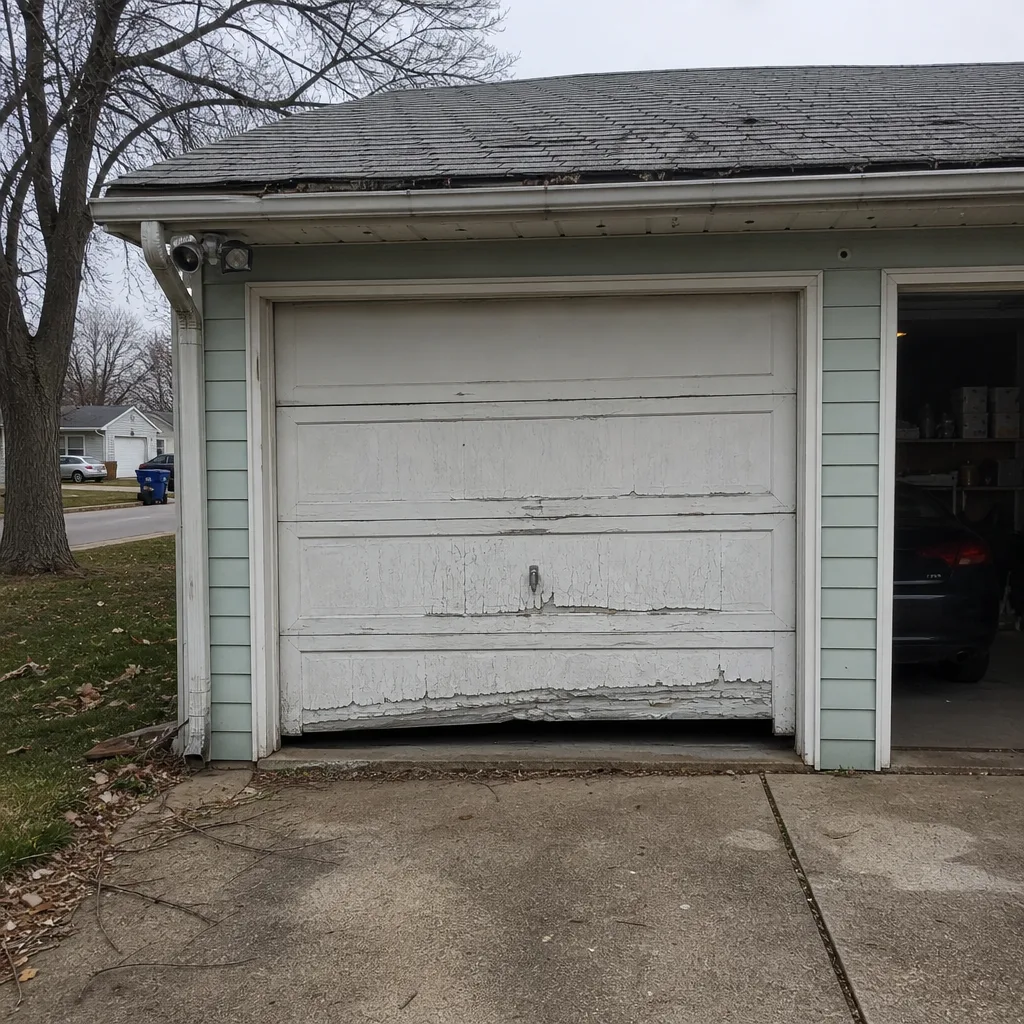 Before
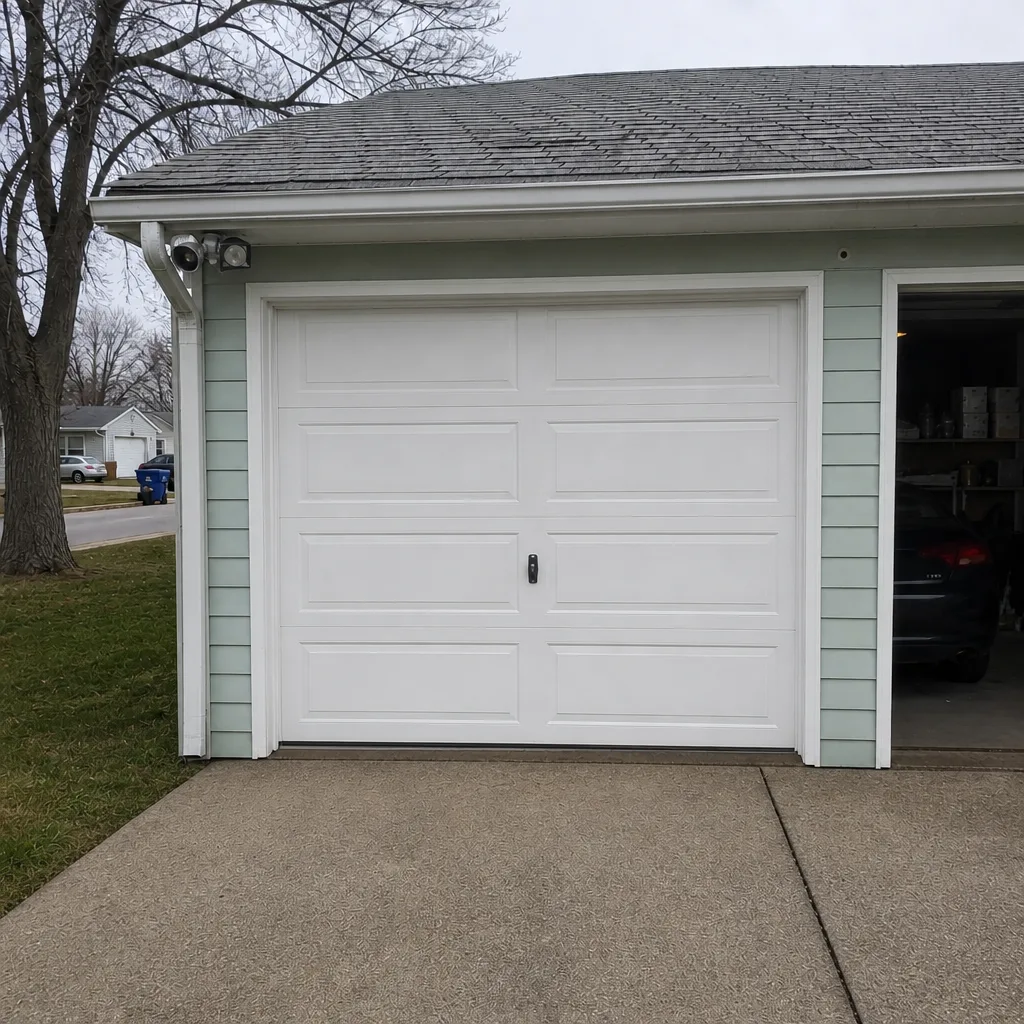 After
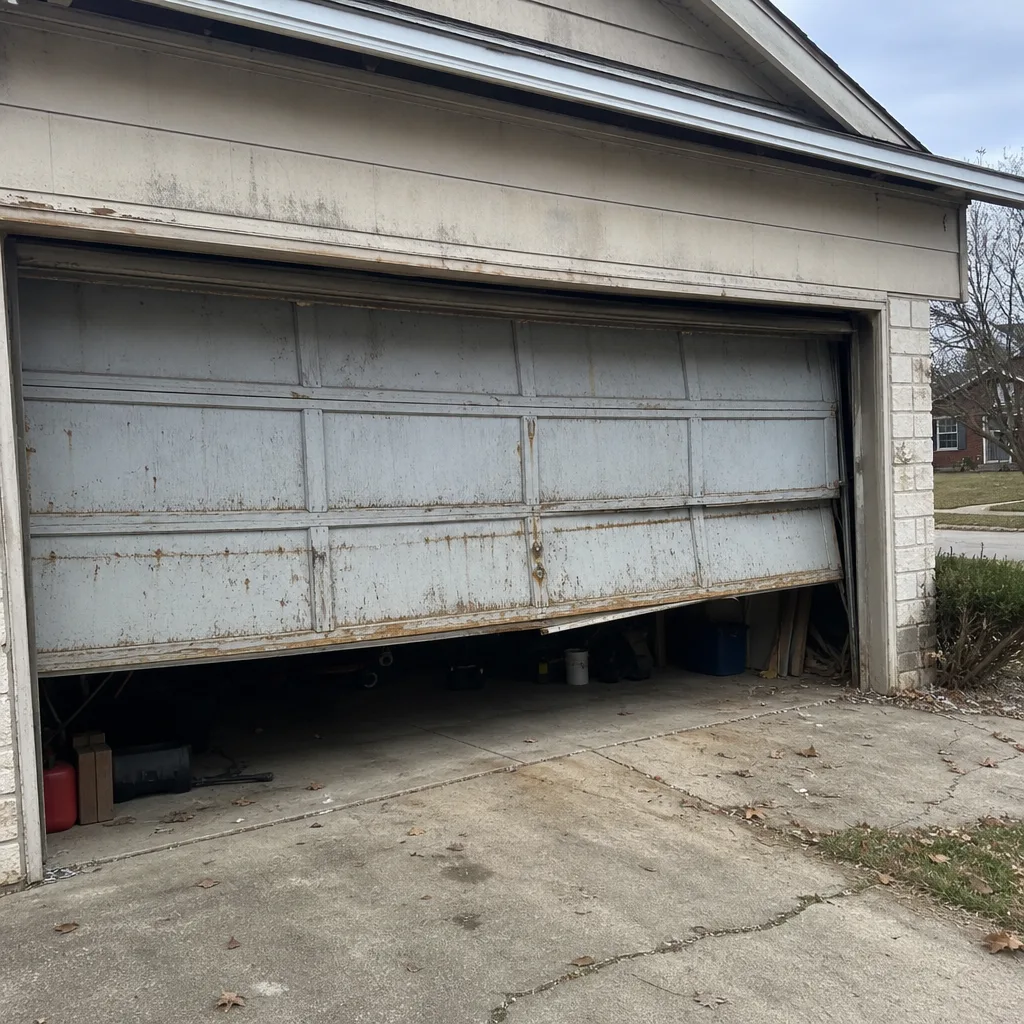 Before
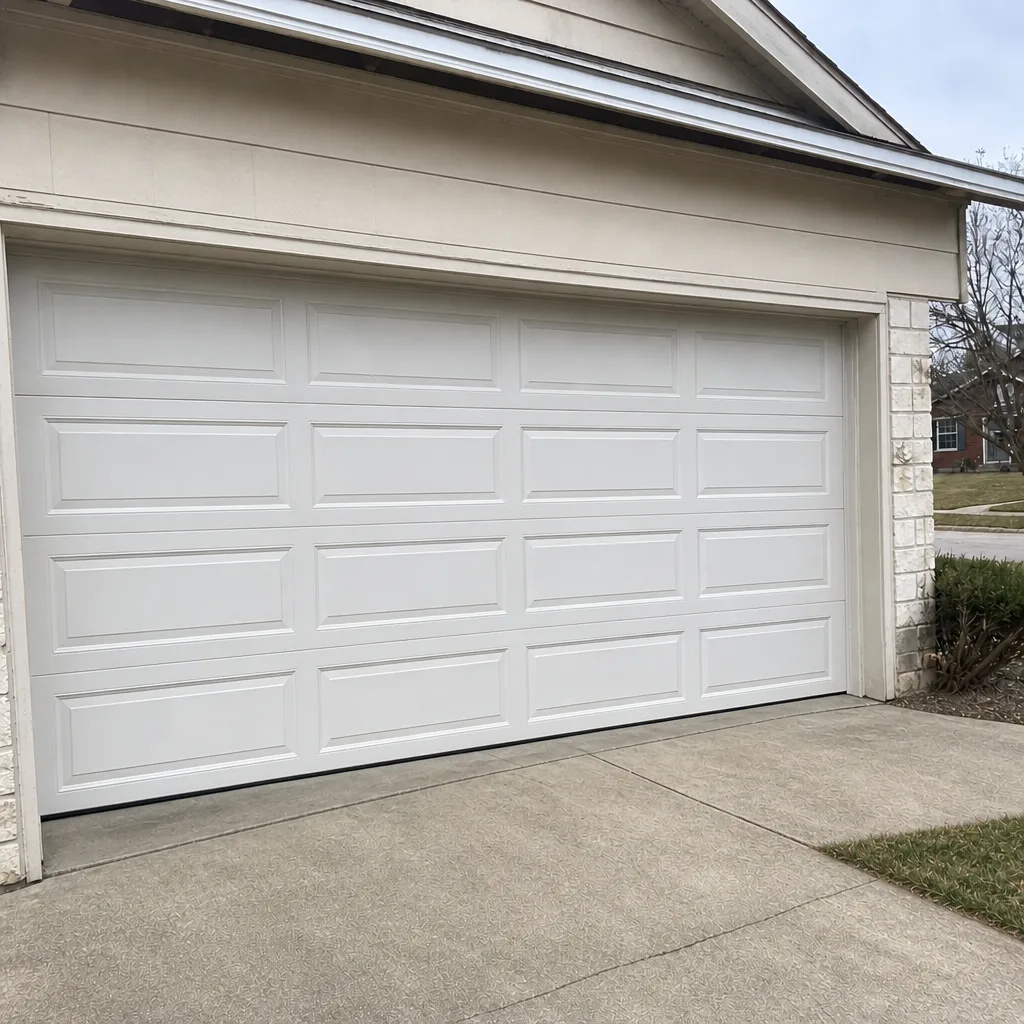 After
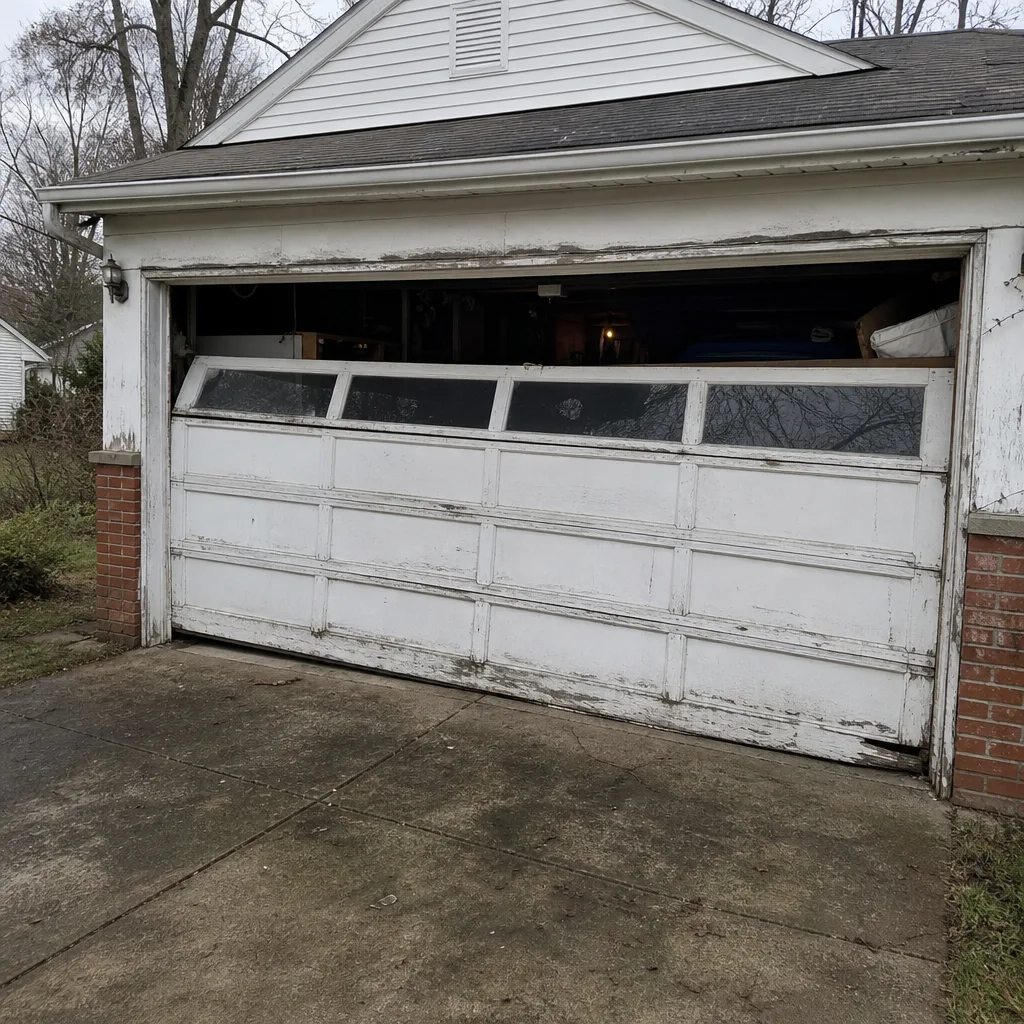 Before
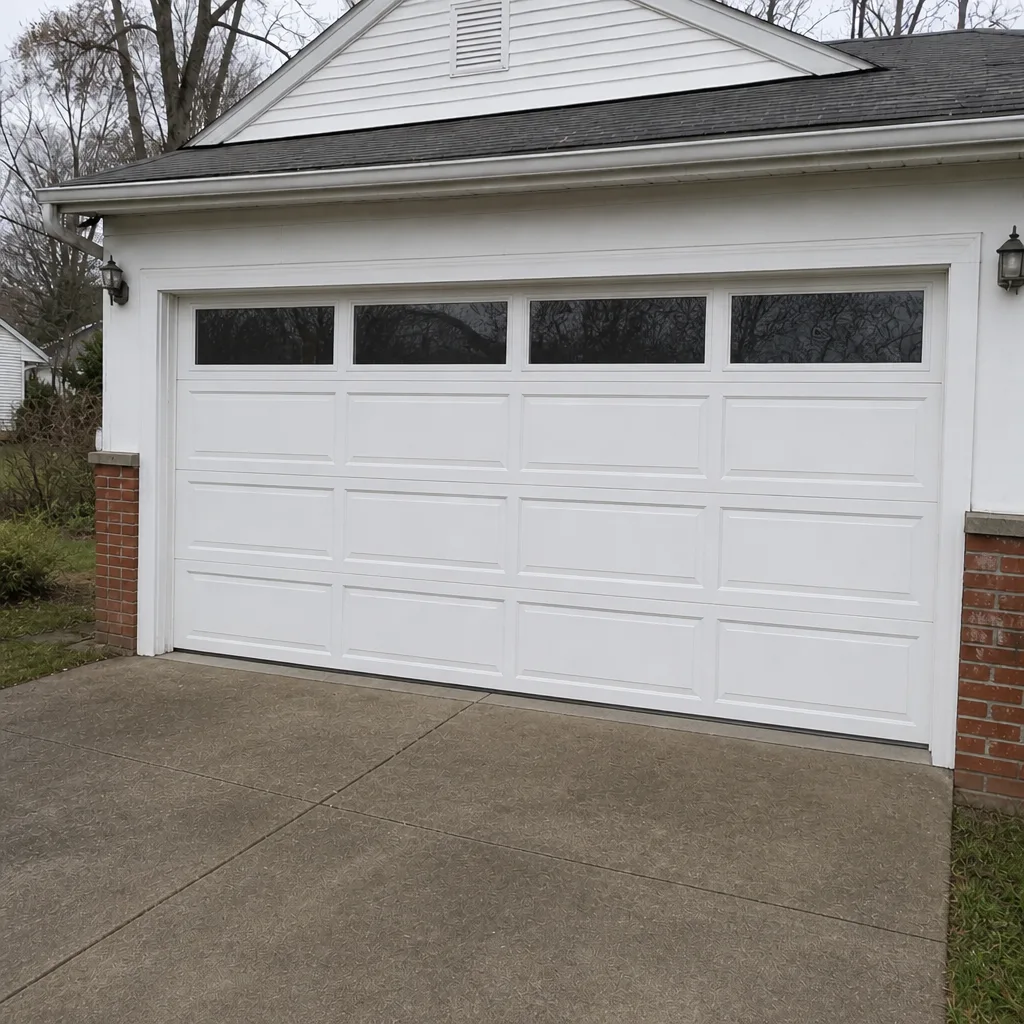 After
When to Call a Professional
Call a professional when the door won’t balance, when a spring has visibly broken, when a cable looks slack or frayed, or when the door has come off its track and won’t close. Those are the situations where a trained technician saves you from injury or a security gap. Call when an opener keeps reversing and the adjustment doesn’t hold, when the door is so out of alignment that it binds or scrapes, and when a repair is starting to look like a replacement. Above all, call before a small alignment problem becomes a bent track or a snapped spring, because that’s the point where the cost climbs. Dayton Garage Door Repair Pros offers free estimates in Dayton. Call (866) 937-7781. We answer 24/7. Fast dispatch from 7am to 7pm, Sunday through Friday. The price is quoted and agreed before any work starts.
Frequently Asked Questions
Typical garage door repair in Dayton ranges from about $150 for a simple adjustment or roller replacement to several hundred dollars for a more involved repair, and a single spring replacement is usually in the $180 to $340 range on its own. The written estimate sets the final price, so you’ll know the figure before any work begins. Call (866) 937-7781 for an exact quote. Estimates are free.
Same-day service is often possible for repair calls, and we dispatch Sunday through Friday from 7am to 7pm. A door that’s trapped a car or left the house unsecured is treated as a priority. Call (866) 937-7781, and we’ll tell you what’s available.
No. The price is quoted and agreed before any work starts, and the written estimate sets it. If we find something unexpected, we discuss it with you first rather than changing the number after the fact. Call (866) 937-7781 for a free estimate.
The local professional we connect you with is licensed and insured as their state requires, and you can ask to see the certificate of insurance and confirm the liability coverage before work begins. That’s a normal request, and a good contractor expects it. Call (866) 937-7781 with any questions.
A full door replacement is the job most likely to trigger a permit, while opener work and spring repair usually don’t. Rules can change, so confirm with the City of Dayton’s building department for your specific project. If you’re not sure which category your job falls into, call (866) 937-7781 and we’ll walk you through it.
A well-made steel door with a proper finish and regular maintenance commonly lasts 15 to 20 years or more, while wood doors need more frequent attention in our humidity and freeze-thaw swings. The seal, hardware, and annual servicing make a bigger difference than the calendar. If you’re wondering whether repair or replacement makes sense, call (866) 937-7781 for a free estimate.
The Bottom Line
Dayton’s climate and older housing stock make garage doors a more nuanced decision here than a national guide suggests. The freeze-thaw cycles stress seals and hardware, older 7-foot openings limit your options, and the permit question depends on whether you’re replacing a door or repairing one. Match insulation to your garage type, measure before you buy, confirm the contractor is state-licensed and insured, and treat springs and cables as a trained-technician job. Those steps cover most of what you need to know, and Dayton Garage Door Repair Pros is here when you’re ready to put it into practice. Call (866) 937-7781 for a free estimate. We answer 24/7. Fast dispatch from 7am to 7pm, Sunday through Friday.
Written by the team at Dayton Garage Door Repair Pros.