
Last updated November 21, 2026
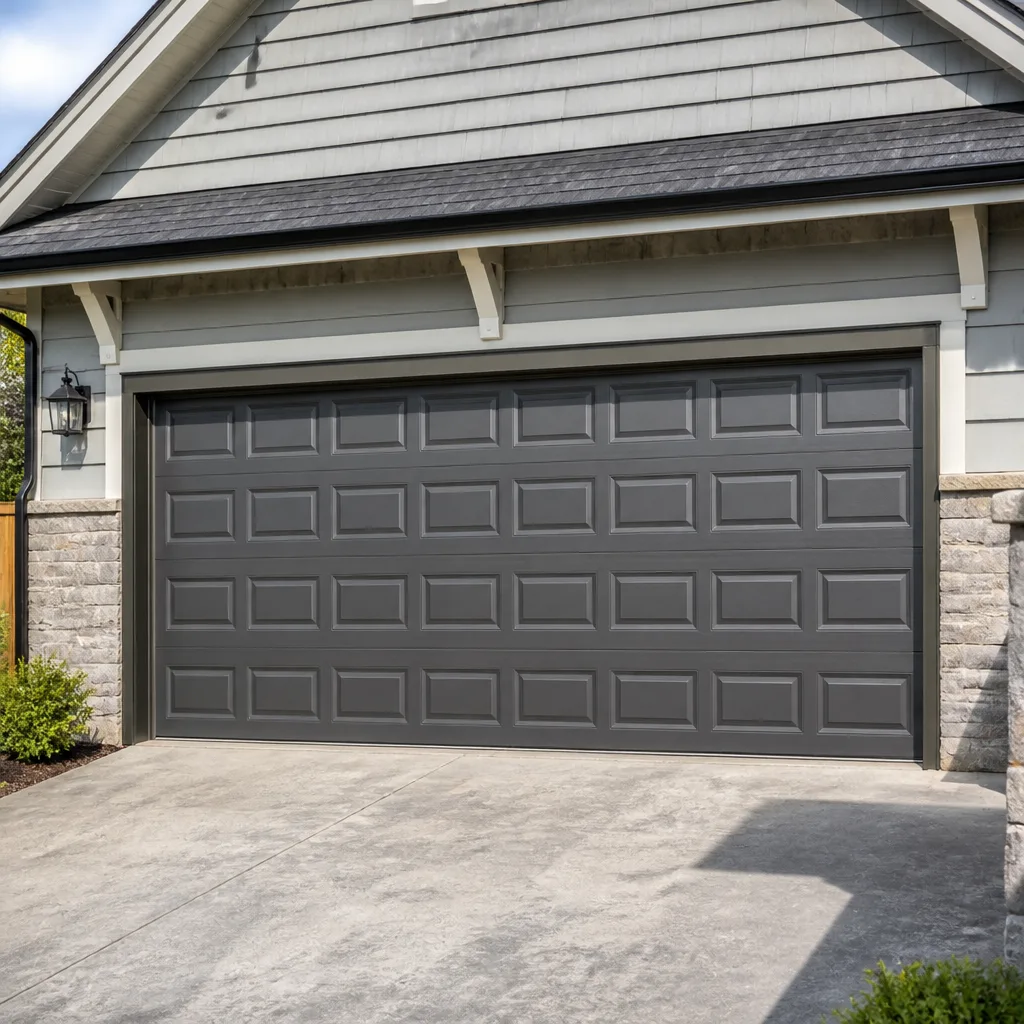 Raised-panel steel
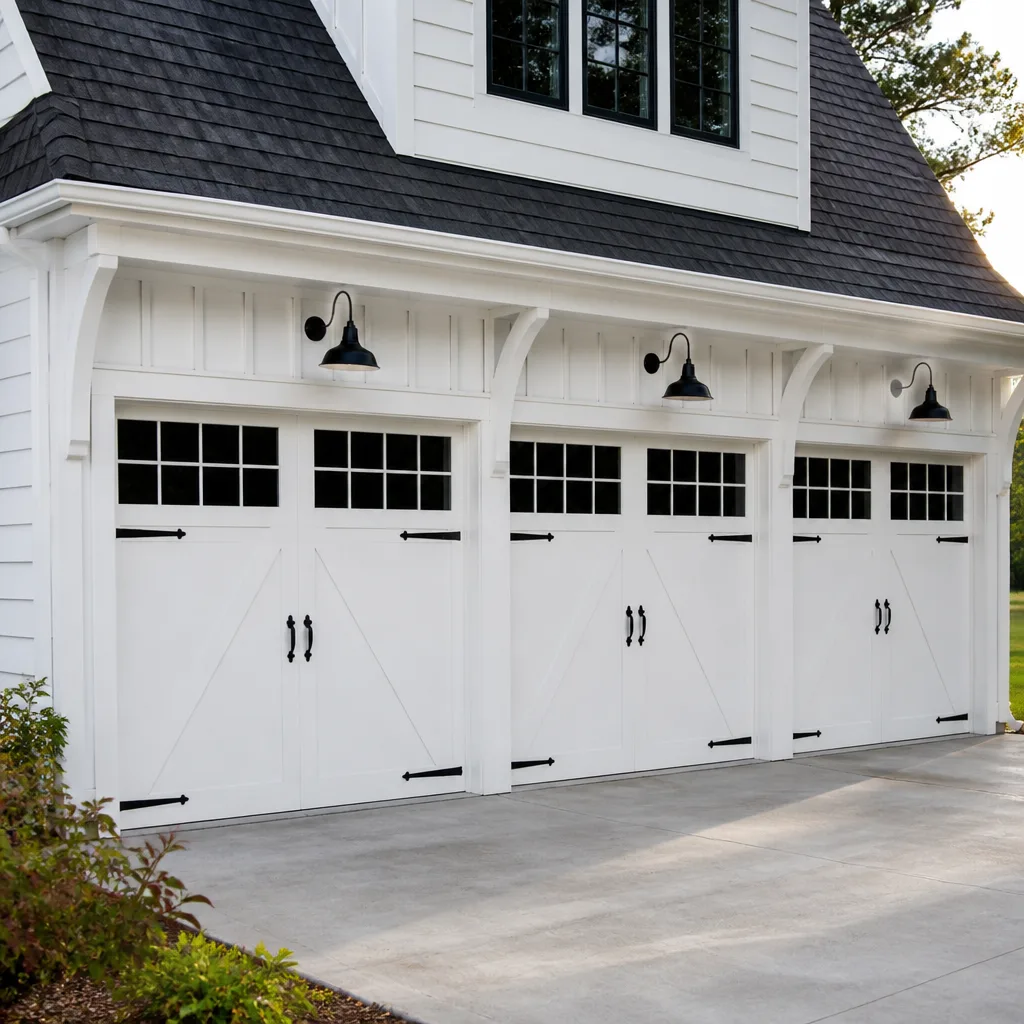 Carriage house
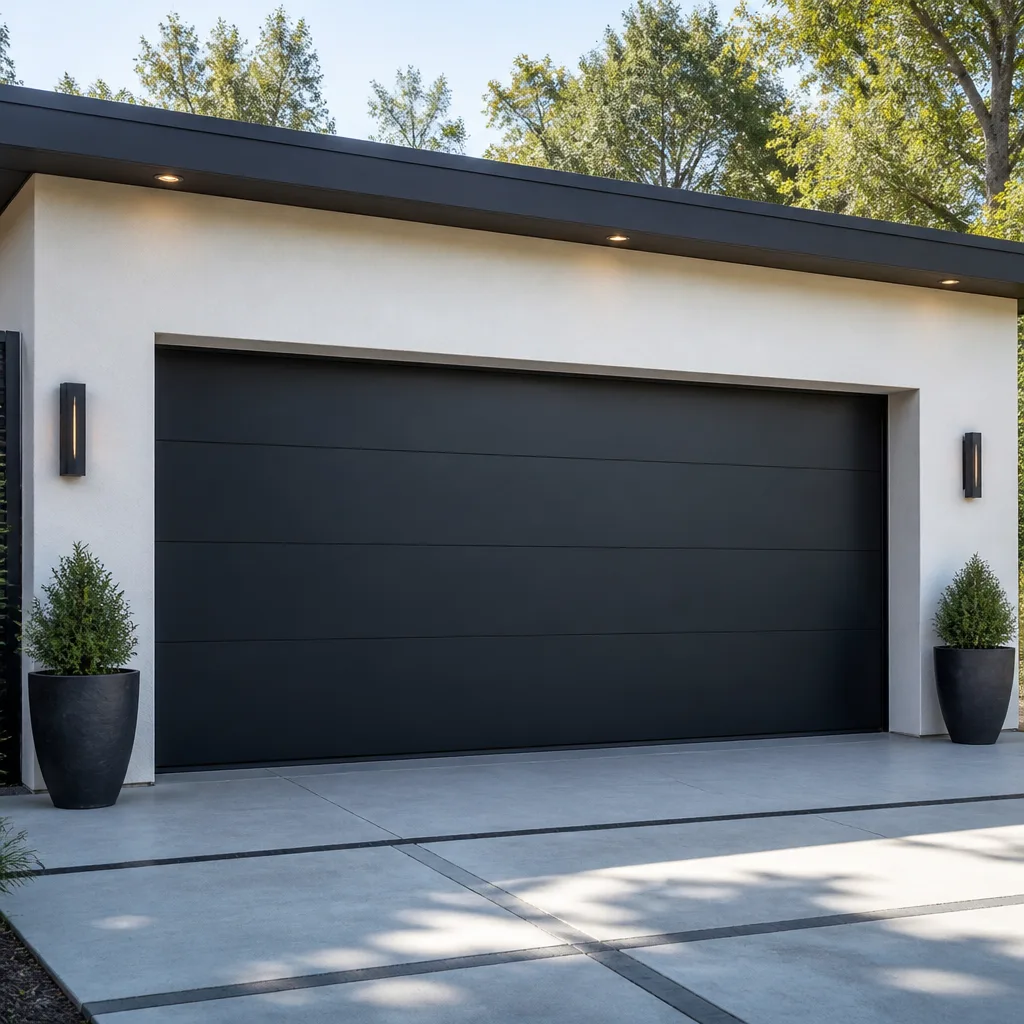 Modern flush
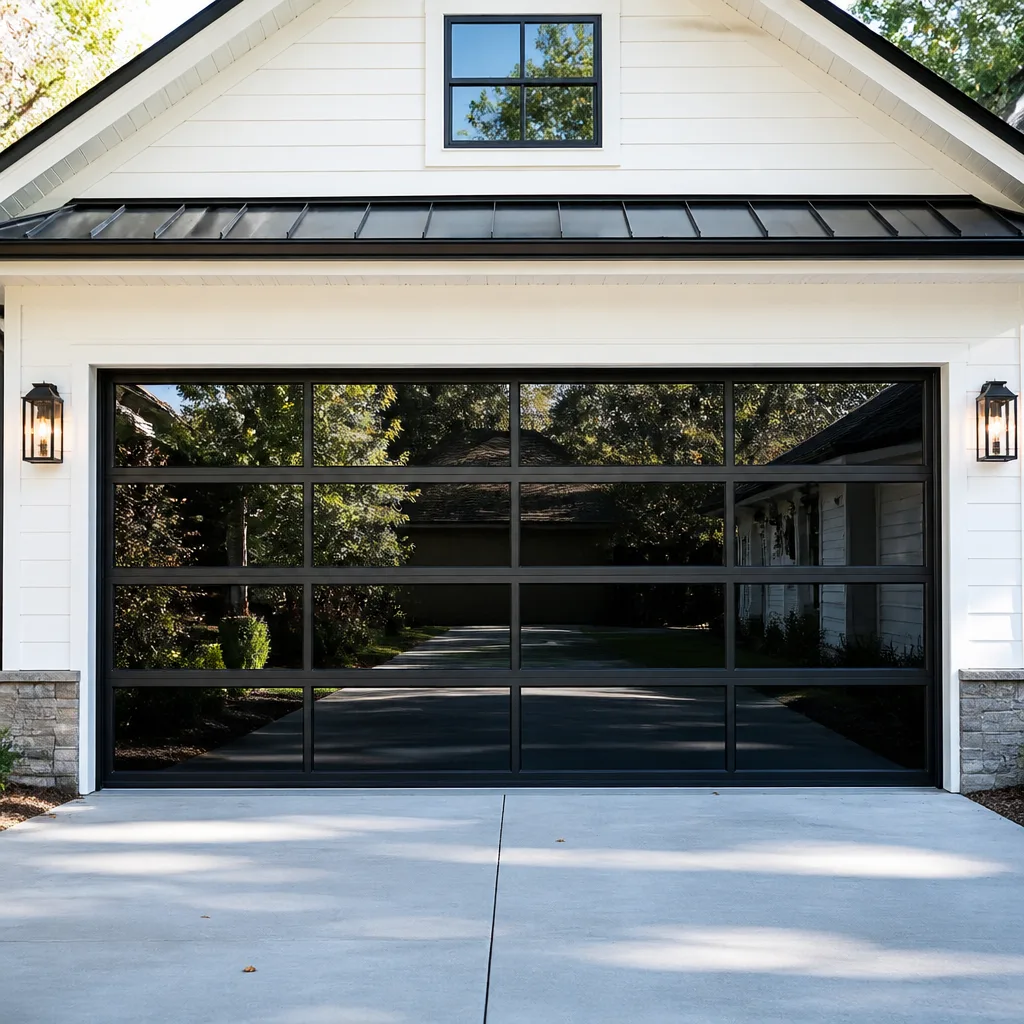 Full-view glass
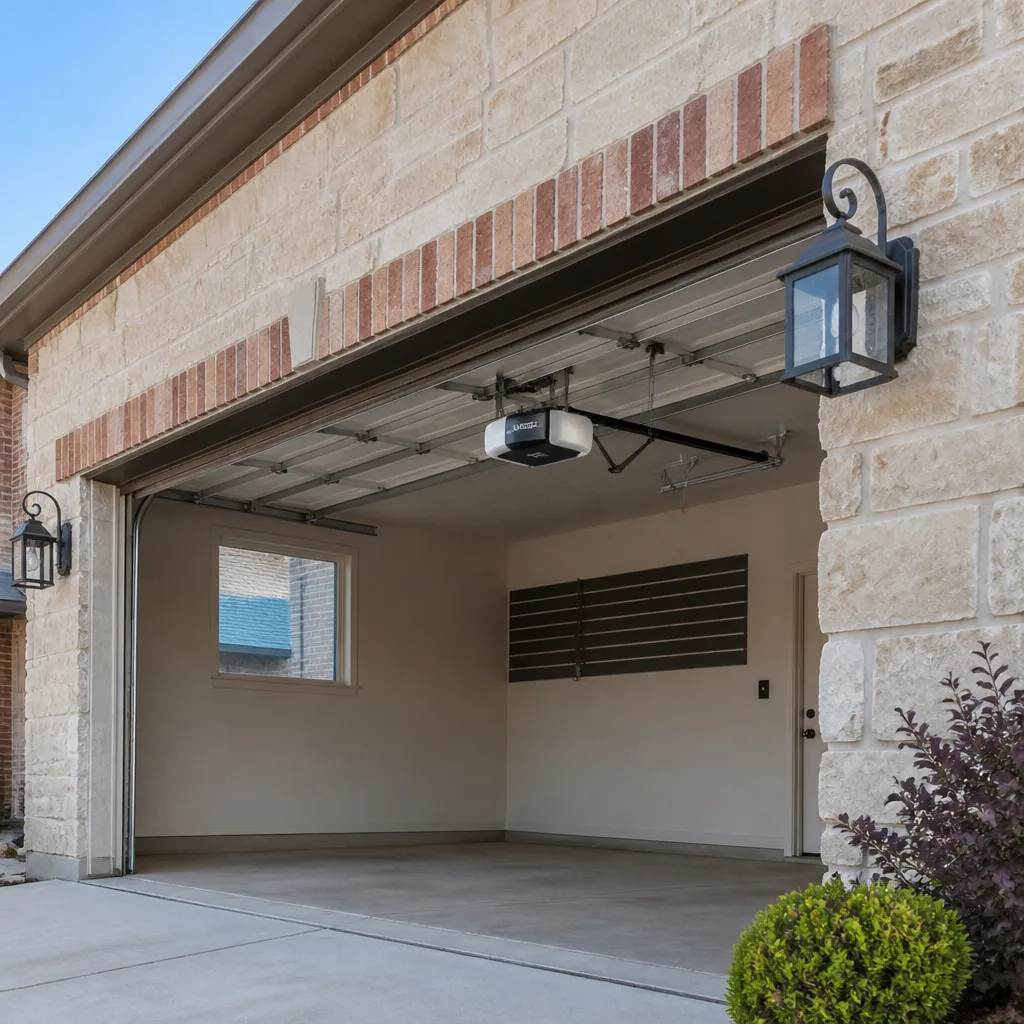 LiftMaster openers
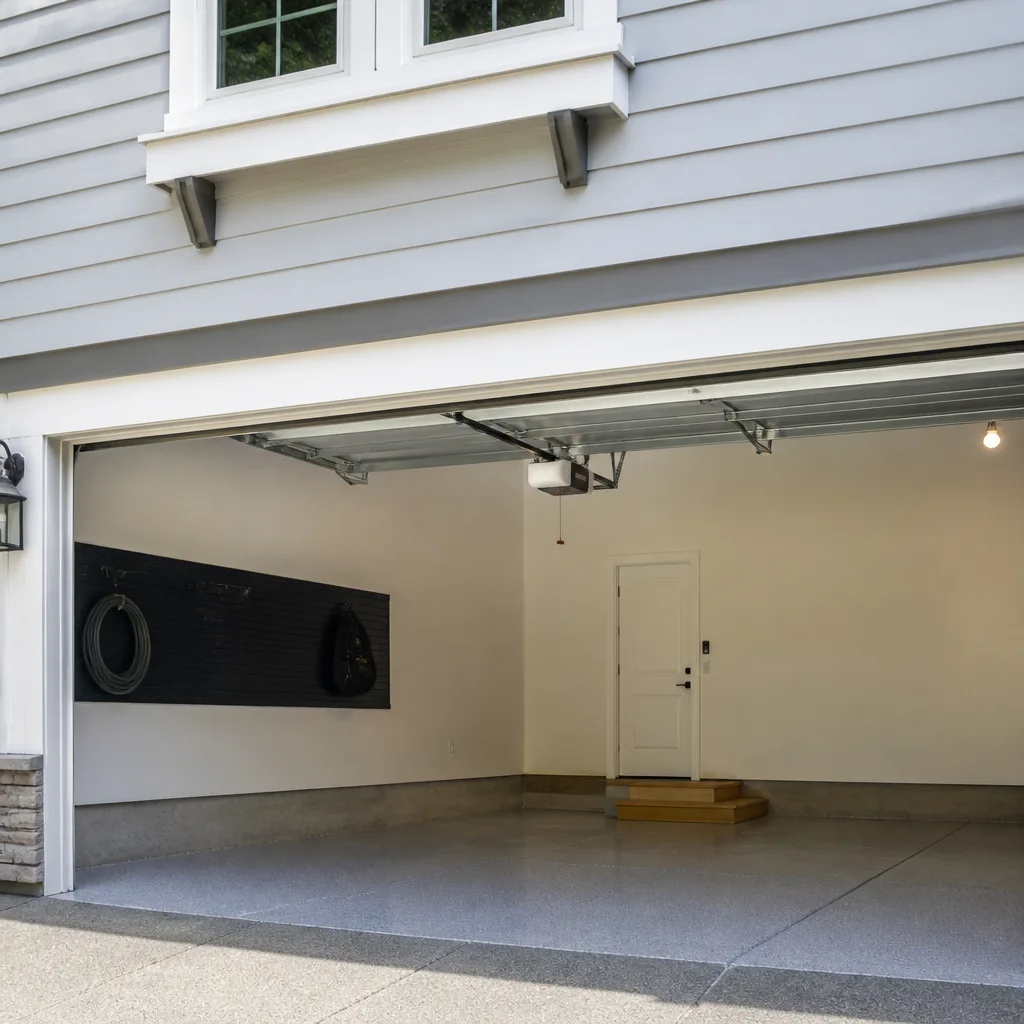 Chamberlain openers
Full 25-point door and opener safety check with every visit - springs, cables, rollers, tracks, and your LiftMaster or Chamberlain opener included
You get a price before we start. It does not change when the pro arrives.
Get your free estimateGarage Door Warning Signs: A Dayton Homeowner’s Reference Guide
A door that reverses before it hits the floor is almost never a sensor problem. In most cases it’s an opener force calibration issue or a physical obstruction sitting in the travel path, yet “sensor replacement” is what gets quoted first because it’s the easiest line item to bill. That gap between what a symptom looks like and what’s actually failing is where homeowners lose money. We’ve spent years diagnosing doors across Dayton, and the pattern holds: the door tells you exactly which component is failing if you know how to read it. This guide maps every common warning sign to the part behind it, so you can describe the problem accurately, ask better questions, and skip repairs you don’t need. Our technicians have up to 12 years of experience reading these symptoms in Dayton homes.
Quick Answer
The most reliable garage door warning signs are a door that reverses before contact, uneven travel side to side, grinding or popping noises during operation, and visible gaps or gaps in the torsion spring coil. Each symptom points to a specific system: opener force limits, spring tension, cable drums, track alignment, or rollers. Learning to match the symptom to the part is what separates an accurate diagnosis from a guess, and it’s how you avoid paying for a sensor swap when the real problem is a worn spring or a misaligned track in your Dayton garage.
Styles & brands we work with
- Raised-panel steel
- Carriage house
- Modern flush
- Full-view glass
- LiftMaster openers
- Chamberlain openers
Table of Contents
- What Each Garage Door Noise Is Telling You
- Visual Signs a Torsion Spring Is Days From Failure
- Motor Wear vs. Drive System Wear: How to Tell Them Apart
- What Uneven Door Movement Actually Means Mechanically
- Why Your Door Reverses Before It Hits the Floor
- How to Document a Symptom Before You Call
- How Dayton Weather Wears Down Door Components
- Common Mistakes to Avoid
- When to Call a Professional
What Each Garage Door Noise Is Telling You
Noise is the most underrated diagnostic tool a homeowner has. The type of sound, not just its volume, tells you which component is failing. A garage door that’s always been a little loud is usually fine. A door that suddenly develops a new sound is sending a signal. Here’s how we break down the four most common sounds and what each one maps to.
- Grinding: Metal-on-metal contact, almost always a roller that’s seized or a hinge that’s worn through its pin. If it’s coming from the opener head rather than the door, it’s gear wear inside the motor housing. Grinding that starts suddenly after a cold snap usually means a roller has lost its lubrication and is dragging.
- Squeaking: Friction between moving parts that still work but need attention. Rollers, hinges, and the torsion bar itself are the usual suspects. Squeaking is the cheapest sound to fix early and the most expensive to ignore, because continuous friction wears through protective coatings and accelerates corrosion.
- Rattling: Loose hardware. Bolts backing out of hinges, a chain that’s riding too loose on the rail, or panels that have shifted in their stiles. Rattling is rarely urgent on its own, but it’s a sign that fasteners are loosening and the door is working harder than it should.
- Popping or snapping: The most serious of the four. A loud pop during operation often means a torsion spring is binding and releasing, or a cable has jumped its drum. Popping from the opener rail can indicate a chain or belt that’s slipping a sprocket. This is the sound that should prompt a call before the next cycle, not after.
Dayton’s temperature swings between seasons make noise diagnosis a moving target. A door that squeaks in January and runs quiet in July is telling you something about how its lubricant responds to cold. If your door is making a new sound and you want a straight diagnosis, our garage door repair team can identify the source in a single visit. That’s the same-visit principle we work by: parts and expertise arrive together, so you get an answer, not a second appointment.
Visual Signs a Torsion Spring Is Days From Failure
A torsion spring doesn’t fail gradually the way a worn roller does. It either holds its tension or it snaps, and the warning window can be as short as days. Learning to read the visual cues is worth more than any other skill in this guide, because a snapped spring can drop a door and cause serious injury. Here’s what a spring looks like when it has months left versus days.
Months From Failure
- Spring coils are evenly spaced with no visible separation between windings.
- The bar sits level and the spring holds tension without sagging.
- The door balances properly when you release it manually at the halfway point.
- No rust pitting on the coils, just light surface oxidation.
Days From Failure
- A visible gap has opened between two coils, which means the spring has stretched past its working range.
- The spring has begun to unwind and the door feels heavy or drops on one side.
- You can see a crack line or a bright spot of fresh metal where the wire is separating.
- The door slams down rather than lowering under control, or the opener strains audibly to lift it.
Waiting always costs more, and it’s not a close call. A spring that’s days from failure can take the cables, the drums, and sometimes the panels with it, turning a single-spring repair into a full system rebuild. Spring replacement is the most technically demanding job in this trade, and it’s one we handle as a defined specialty rather than an add-on. If you see any of the visual signs above, stop operating the door and call. Our Dayton Garage Door Repair Pros team treats torsion and extension spring work as high-stakes, and we never work on them without proper tension-release tools.
A word on safety: torsion springs store enough energy to break bones and cause fatal injuries. Never attempt to adjust, unwind, or replace one yourself. There’s no safe DIY version of this job. A trained professional with the right winding bars and the right experience is the only appropriate route.
Motor Wear vs. Drive System Wear: How to Tell Them Apart
This is the diagnosis that saves homeowners the most money, because motor wear and drive system wear produce overlapping symptoms but carry very different repair bills. A drive system fault (chain, belt, screw, or the trolley that rides on it) is usually the cheaper fix. Motor wear lives inside the opener housing and can mean a full unit replacement. Tell them apart with a simple sequence.
- Listen at the opener head, not the door. If the grinding or humming originates at the ceiling unit and the door doesn’t move at all, the problem is in the motor or its internal gearing. If the door moves but the motor sounds strained, the drive system is likely fighting resistance from the door itself.
- Disconnect the door from the opener. Pull the emergency release and operate the door by hand. If it lifts smoothly and stays put at halfway, the motor or drive is the issue. If the door is heavy, binds, or drops, the door’s balance and springs are the issue, not the opener.
- Check the drive rail. A chain that sags noticeably, a belt that shows fraying, or a screw drive that’s stripped will produce jerky motion before the motor itself fails. These are drive problems, not motor problems.
- Test the opener’s response to the remote. A motor that hums but won’t turn, or that trips its internal overload after a few seconds, is showing motor-side failure. A motor that turns normally but the door doesn’t follow is a drive or connection issue.
Dayton homes run a wide spread of hardware, and we’ve worked on both ends: legacy Craftsman and Genie units that have been cycling daily for years, and newer smart openers from LiftMaster and Chamberlain with app control and battery backup. Knowing the specific tolerances of each platform is what lets a technician tell motor wear from drive wear without guessing. It’s also why we train on these brands specifically rather than picking up whatever comes through the door. If your opener is the suspect, our garage door opener repair service covers the full range.
What Uneven Door Movement Actually Means Mechanically
An uneven door is the most valuable symptom to catch early. A door that rises crooked and settles at an angle is telling you that the forces acting on it are unbalanced, and there are three distinct mechanical causes. Working through them in order is how a technician diagnoses the problem in one trip rather than several.
Step 1: Rule Out Spring Tension
The first suspect is spring tension imbalance. On a two-spring setup, one spring carrying more load than the other pulls the door up on that side. On a single-spring door, the symptom is usually a door that lifts on one side and drags on the other because the spring is winding unevenly. A door that balances at halfway when you release it by hand is usually balanced. One that drops on one side is not.
Step 2: Check the Cable Drums
If spring tension is even, the next suspect is the cable drums at the top of each side. A cable that’s jumped its drum or is starting to fray on one side will shorten one side’s effective lift and create the crooked rise. Frayed cables are a safety concern on their own and should be replaced before they snap and drop the door.
Step 3: Check Track Alignment
If the springs and cables check out, look at the tracks. A vertical track that’s out of plumb, a horizontal track that’s been nudged by a vehicle, or a bent section will cause one side of the door to bind as it travels. Track alignment problems often show up as a door that runs true at the bottom and drifts by the top, or that binds at a specific point in the travel. Straightening the track is a mechanical adjustment, not a guessing game; a technician checks plumb on both sides before making the call.
If your door is rising unevenly, our garage door installation crew can also advise on whether a door has reached the end of its service life if repair after repair keeps surfacing the same alignment problems. Sometimes a door that won’t stay aligned is telling you its panels have warped past the point of adjustment.
Why Your Door Reverses Before It Hits the Floor
The photo-eye safety sensor gets blamed for nearly every premature reversal, but that’s rarely the real cause. Sensors fail in a specific way: the door reverses the moment the beam is broken, usually at a fixed point in travel, and the opener’s LED light blinks in a repeated pattern. That’s the sensor signature. A reversal that happens right before the floor, at different points, or after a partial close is almost always one of these:
- Force calibration: The opener is set to stop and reverse when it meets a certain resistance threshold. If that threshold is set too low (from age, a cold snap, or a settings reset), the door will reverse just before contact even though nothing is in the way. This is an adjustment, not a replacement.
- Physical obstruction in the travel path: A track bracket that’s shifted in, a roller that’s out of its track at the bottom, or something small caught in the door’s path will trigger the force reversal. This is the diagnosis that gets missed when “sensor replacement” is the default answer.
- Track misalignment at the floor: If the bottom track section is out of line, the door binds just before closing and the opener reads it as an obstruction. Fix the track, and the reversal stops.
- A worn bottom seal: A seal that’s lost its flexibility can catch and trigger a reversal at the point of contact.
An opener that reverses without a physical obstruction is often showing force-limit wear on the internal mechanism, which is why the manufacturer reset procedure exists. That’s also why the reversal diagnosis needs a technician who knows the specific calibration procedure for your opener model, whether it’s a LiftMaster, a Chamberlain, or an older Craftsman. When you describe the reversal to us, include the point in travel where it happens and whether the opener light blinks in a pattern. That detail points straight to the cause.
How to Document a Symptom Before You Call
The quality of a diagnosis over the phone depends entirely on the quality of the description. Homeowners who can describe a symptom precisely get a diagnostic quote rather than a full inspection charge, and they get a technician with the right part expectations before arriving. Here’s how we ask homeowners to document a symptom before they call.
- Name the sound and where it comes from. “Gravel grinding at the opener head” is a different diagnosis from “grinding along the door.” Say which.
- Note when it happens in travel. At opening, at closing, at a specific point in the middle, or at the top and bottom. A symptom tied to a specific point in travel is often a track or roller problem, not a spring or motor.
- Record whether the door moves at all. Motor hums but door doesn’t move, door moves but the motor sounds wrong, or door moves and the motor sounds fine. This single fact narrows the diagnosis to a motor, drive, or balance problem.
- Check the balance by hand. Pull the emergency release, lift the door halfway, and let it go. Does it hold, drop, or slam? This is the single most useful test a homeowner can run, and it takes thirty seconds.
- Note the opener brand and model. A model number on the opener head tells a technician the calibration procedure, the sensor behavior, and the parts expected. LiftMaster, Chamberlain, Genie, and Craftsman units all behave differently on force limits and reversal tests.
- Take a photo of any visible damage. A crack in a spring, a frayed cable, a bent track section, or a gap between panels. A photo lets the office confirm whether the visit is a repair or a diagnostic before the technician arrives.
If the door is stuck in the closed position, you’re locked out, or the door won’t secure the property, don’t wait, call. We answer 24/7. Fast dispatch from 7am to 7pm, Sunday through Friday. Emergency garage door service is a core part of what we do because a failed door doesn’t schedule itself around a homeowner’s convenience.
How Dayton Weather Wears Down Door Components
Dayton’s climate is hard on garage doors in specific ways, and the seasonal pattern matters for diagnosis. Spring in the Miami Valley brings freeze-thaw cycles that work fasteners loose and cycle the door through repeated thermal expansion and contraction. Summer heat softens lubricants and causes rollers to seize or belts to stretch. Fall and early winter bring the temperature swings that show up in spring tension and battery performance. None of this is about a door being “bad,” it’s about a door being mechanical and responding to its environment.
What that means in practice: a door that squeaks in January and runs quiet in July is showing you a lubrication failure that’s temperature-sensitive. A spring that’s fine in summer but feels heavy in winter is showing you that it’s near the end of its working range. A battery backup that won’t hold in cold weather is showing you a battery that’s near the end of its service life, even if it tests fine indoors. During Dayton’s colder months, we see more opener failures on the first cold snap because the door’s effective weight on the opener goes up as parts stiffen. A door that’s near the edge of its spring range will run fine in mild weather and fail on a cold morning.
Panel construction matters here too, and the difference between a Clopay, Amarr, or Wayne Dalton door is partly in how the panel material responds to temperature and humidity changes. Steel panels expand and contract differently than composite or wood-look panels, and a door that’s been binding in one panel style may run cleanly in another. If your door has been in service for many years of Dayton seasons and you’re facing repeated repairs, our garage door installation team can advise on whether replacement is the more economical route. Installation is scheduled, not dispatched; the process is a free measure and a written price, then the door is ordered and installed. No same-day promises on new doors, because the work has to be measured first.
Common Mistakes to Avoid
- Replacing sensors on every premature reversal. The sensor gets blamed because it’s easy to swap, but reversals are usually force calibration or an obstruction. A technician should test the sensor pattern before replacing anything. This mistake alone turns a small fix into a larger bill.
- Lubricating with the wrong product. Garage door hardware needs a specific lubricant, not general-purpose oil or WD-40. The wrong product attracts grit, which accelerates roller wear and makes the squeak worse over the long run.
- Adjusting force limits without a balance check. Raising the opener’s force limit to compensate for a heavy door masks the underlying spring or balance problem and puts more strain on the motor. It’s a shortcut that shortens the opener’s life.
- Ignoring the spring gap. A visible gap in the torsion spring coil is the most reliable sign that failure is close. Waiting for it to snap risks damage to the cables, drums, and panels, plus the safety risk of a falling door. In Dayton’s temperature swings, that gap can grow faster than a homeowner expects.
- Pulling the emergency release while the door is still moving. This can drop the door and damage the opener’s trolley. Release the door and let it settle first, then disconnect.
- Ignoring a new track noise after a vehicle nudge. A bent track section that seems cosmetic on a quick look is a real binding point in the door’s travel. Left alone, the door works harder, the opener strains, and the wear compounds.
- Running the door after a spring snaps. A door with a broken spring is not just inconvenient, it’s leaning on a single point of failure. Operate the opener again and you risk dropping the door with the next cycle.
When to Call a Professional
Call a professional in any of these scenarios: the door reverses unexpectedly, the door won’t operate at all, you hear popping or snapping during operation, you see a visible gap or crack in the torsion spring, the door is rising unevenly or binding, or a panel has been damaged. Also call when the door isn’t secured and the house is exposed. Our technicians work on the specific brands you have installed, whether that’s a LiftMaster opener, a Chamberlain smart unit, a Genie legacy model, or a Craftsman door, so the first visit is a diagnosis you can act on, not a guess. Our team can also advise on spring replacement or opener calibration in the same visit when the symptom is clear.
Dayton Garage Door Repair Pros offers a free estimate in Dayton, and the price is quoted and agreed before any work starts. No surprises at invoice. Call (866) 937-7781. We answer 24/7. Fast dispatch from 7am to 7pm, Sunday through Friday.
See the difference
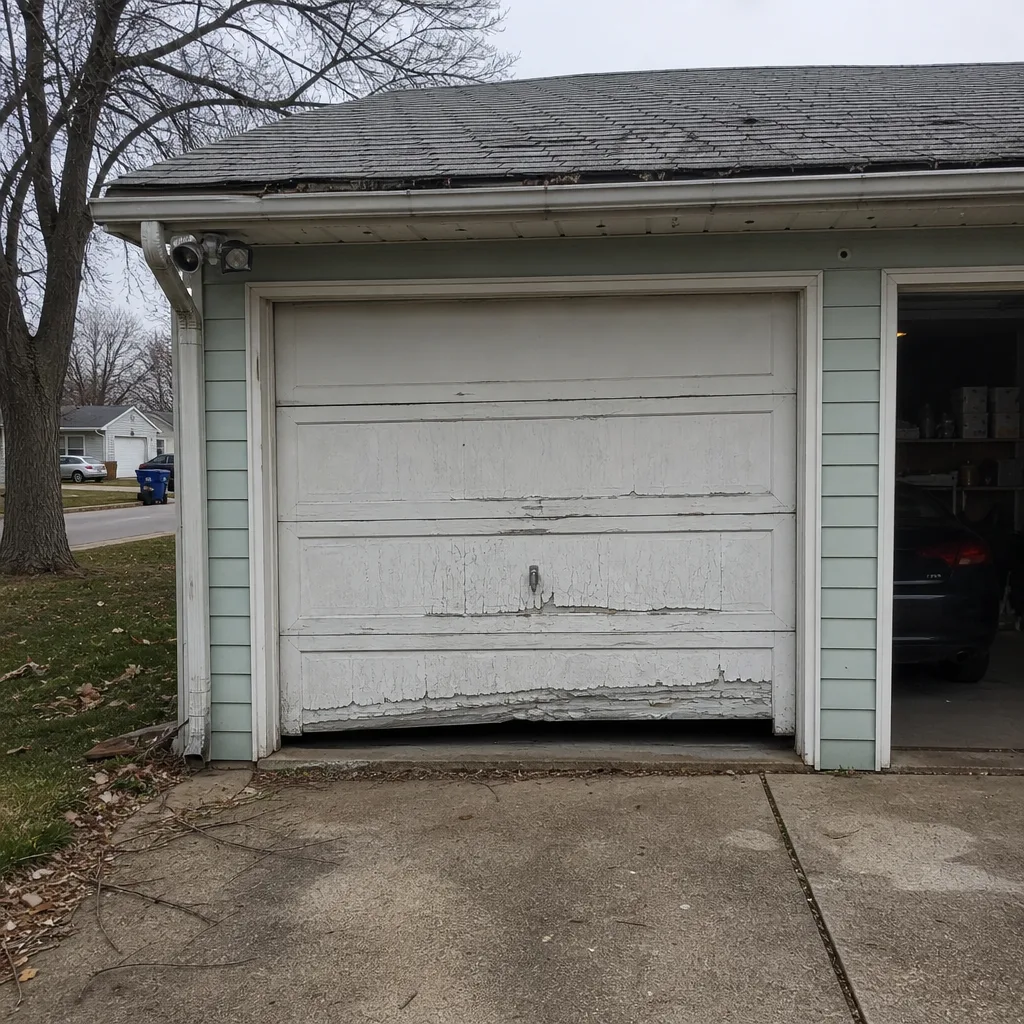 Before
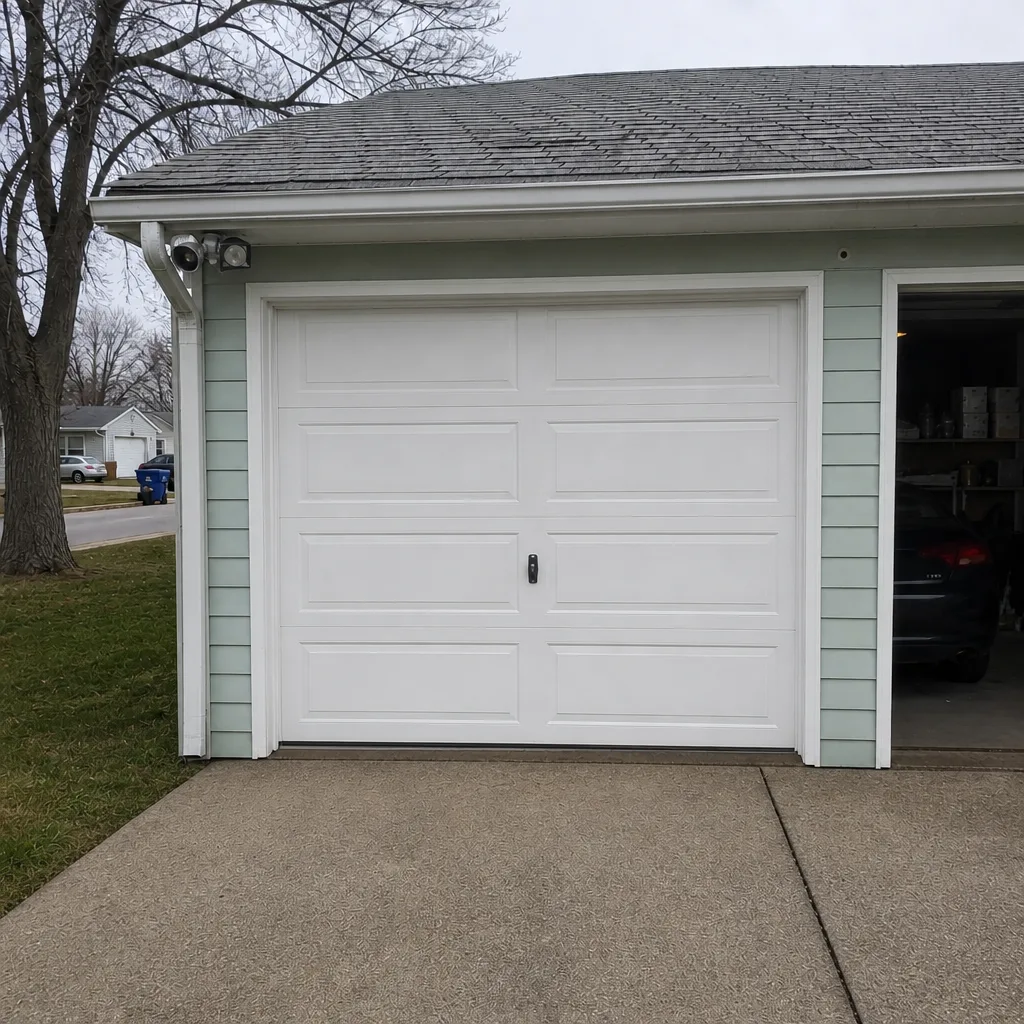 After
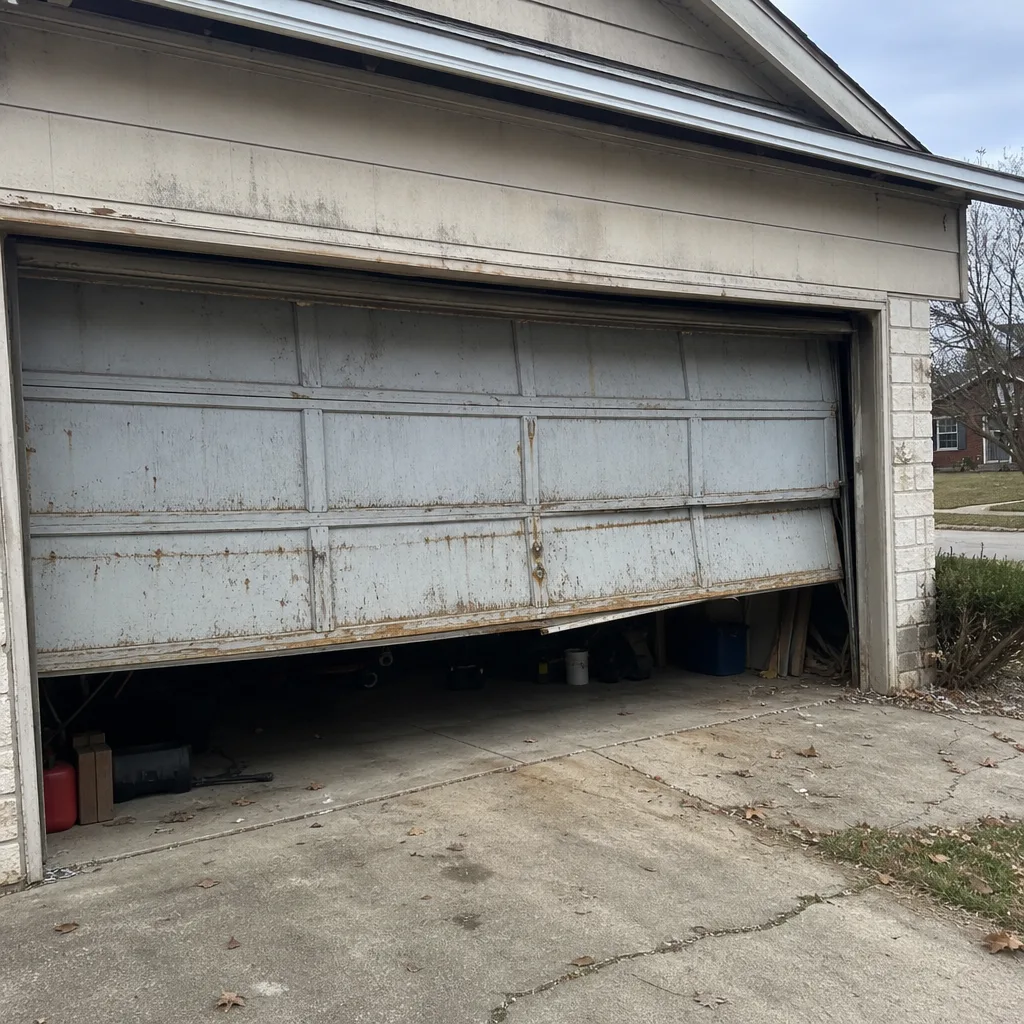 Before
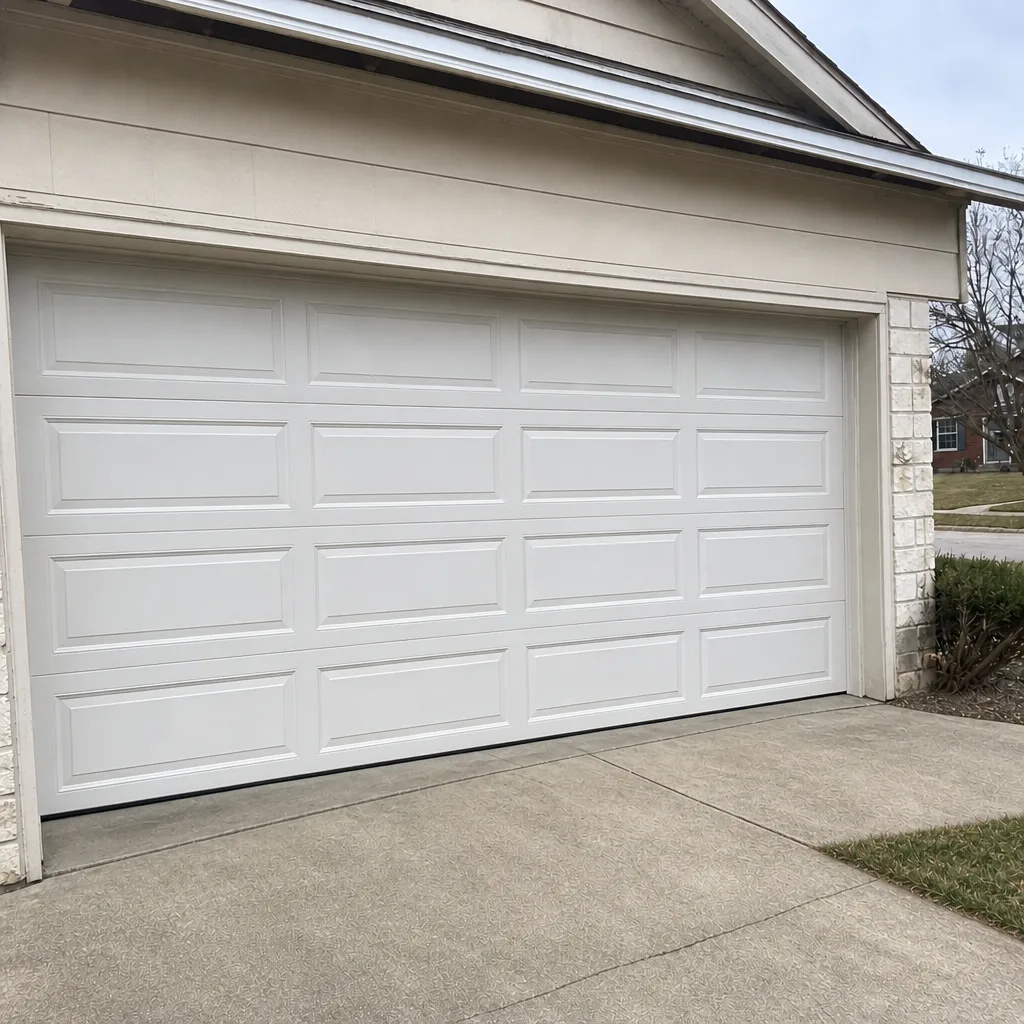 After
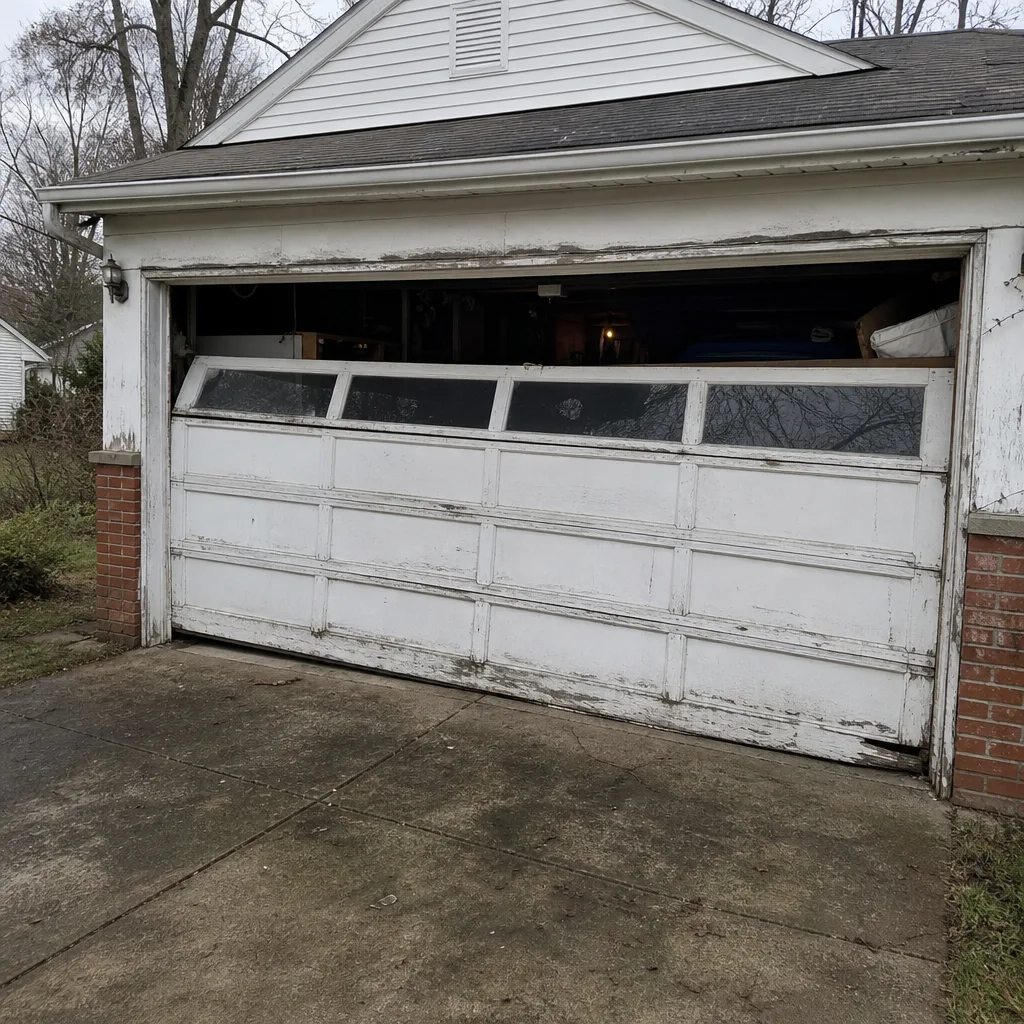 Before
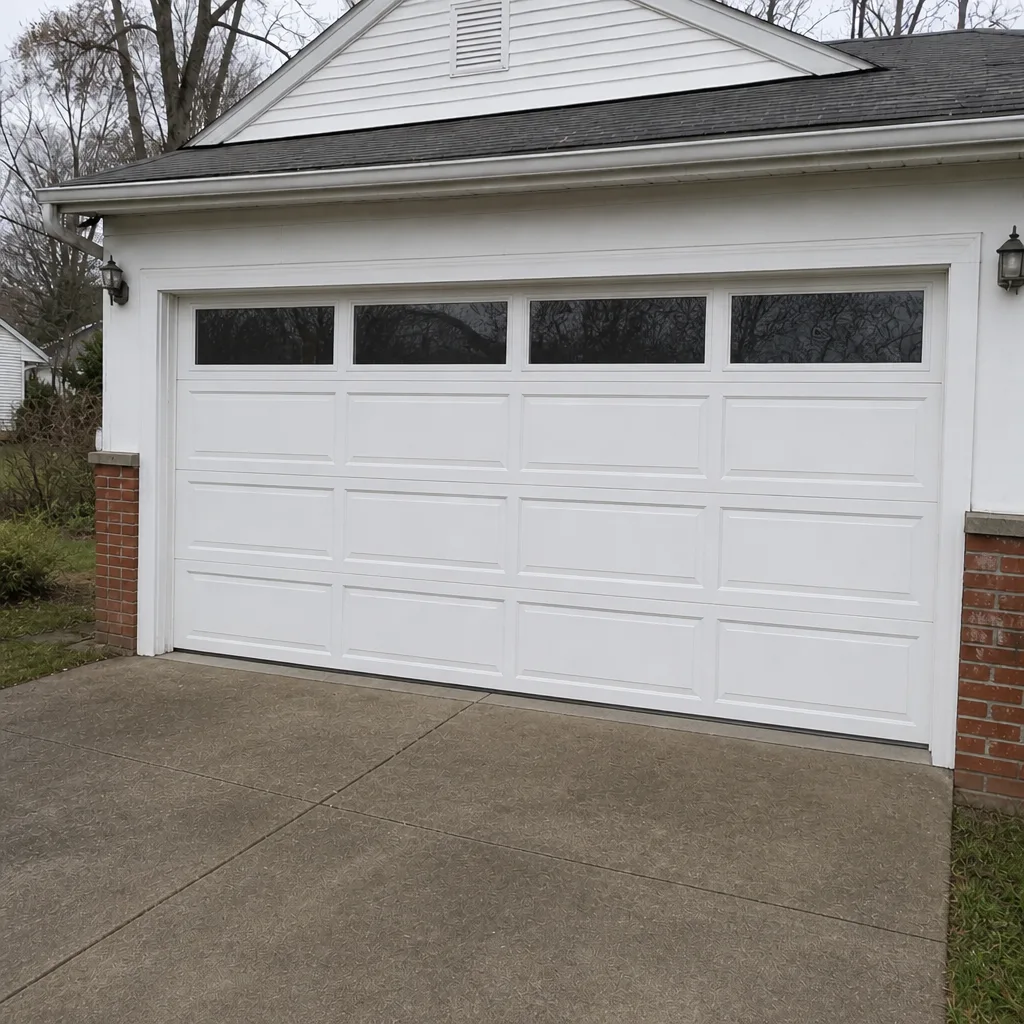 After
Frequently Asked Questions
A visible gap in the torsion spring coil, because it’s the one indication of imminent failure that you can see, not just hear. If you see a gap between the coils, a bright spot of fresh metal, or a door that drops instead of holding at halfway, stop operating the door and call. The other reliable sign is any new sound that appears suddenly, especially popping or snapping.
Emergency garage door service is a core part of what we do, and most stuck-door calls can be reached the same day. Call (866) 937-7781. We answer 24/7. Fast dispatch from 7am to 7pm, Sunday through Friday. If the door is stuck mid-travel or won’t secure the house, make the call and describe the symptom; the description speeds up the dispatch.
No. The price is set by the written estimate, and we quote and agree the price before any work starts. If the door has more than one problem, we’ll explain each item and quote the options. The written estimate is the final price, so you’re not looking at an invoice that differs from the quote.
Yes. The local pro we connect you with is licensed and insured as their state requires. Our technicians have up to 12 years of experience, and the team is trained on the major door and opener brands in the Dayton market: LiftMaster, Chamberlain, Genie, Clopay, Amarr, Wayne Dalton, Craftsman, and Raynor.
Almost always a force calibration issue or a physical obstruction in the travel path, not a sensor failure. If the opener light isn’t blinking in a pattern, the sensor is probably not the problem. Don’t let a technician replace sensors before the force limit and travel path are ruled out. Call (866) 937-7781 for a diagnostic visit; estimates are free.
Pull the emergency release and operate the door by hand. If it lifts smoothly and stays at halfway, the door is balanced and your opener is the issue. If the door is heavy, drops, or binds, the springs or balance are the problem, not the opener. This single test saves a lot of diagnostic time, and it’s worth doing before any service call in Dayton.
The Bottom Line
Garage door symptoms are a diagnostic language, and once you know how to read it, you stop guessing. A popping sound points to a spring. A grinding at the opener head points to motor wear. A door that rises crooked points to spring tension, cable drums, or track alignment. A reversal before contact usually points to force calibration or an obstruction, not a sensor. Documenting your symptom accurately before you call is the difference between a diagnostic quote and a full inspection charge. Our technicians have up to 12 years of experience and train on the brands that matter in Dayton – LiftMaster, Chamberlain, Genie, Craftsman, Clopay, Amarr, Wayne Dalton, and Raynor. If a symptom has you beyond a simple check, call us and describe it.
Dayton Garage Door Repair Pros works on residential garage door repair, opener repair, spring repair for torsion and extension systems, and full installation when a door is past repair. The price is quoted and agreed before any work starts. Emergency service is a core offering, and our phone line is always staffed.
Call (866) 937-7781 for a free estimate. We answer 24/7. Fast dispatch from 7am to 7pm, Sunday through Friday.
Written by the team at Dayton Garage Door Repair Pros.