
Last updated November 21, 2026
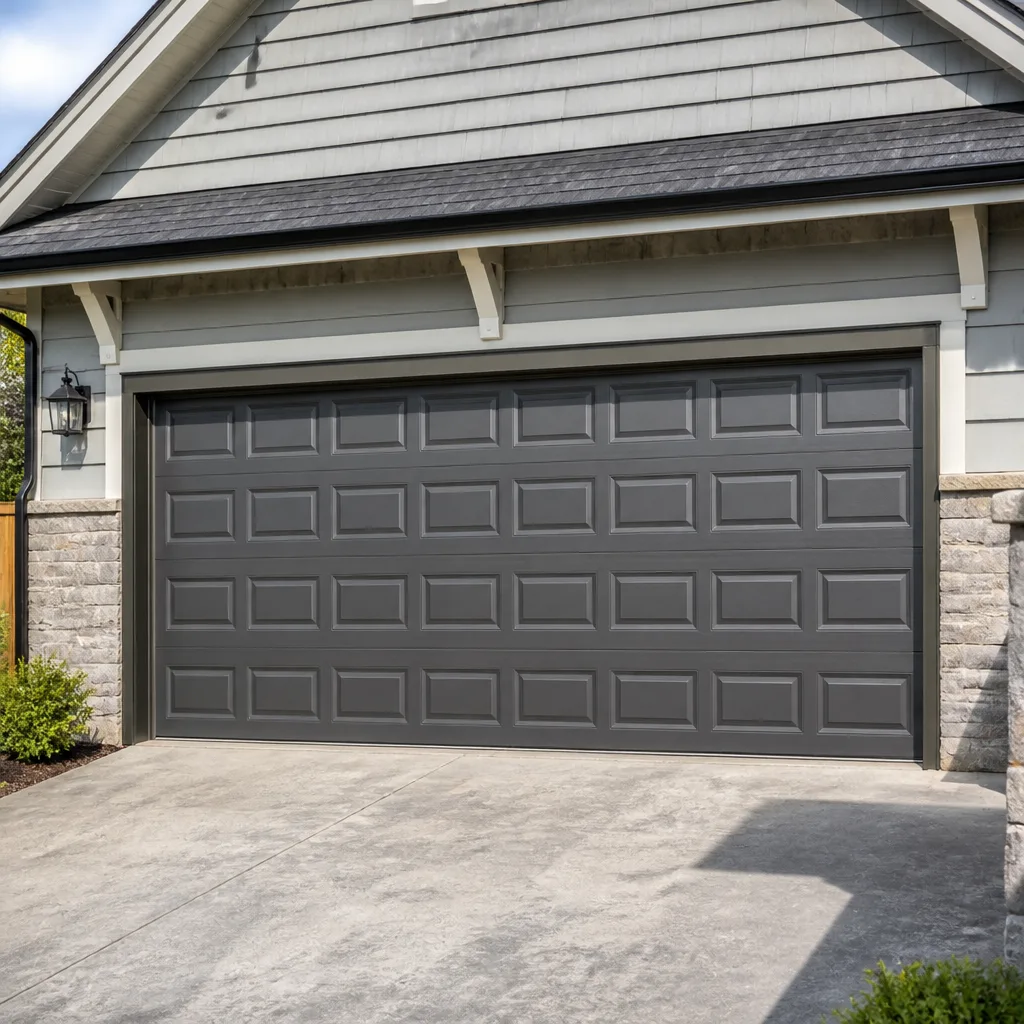 Raised-panel steel
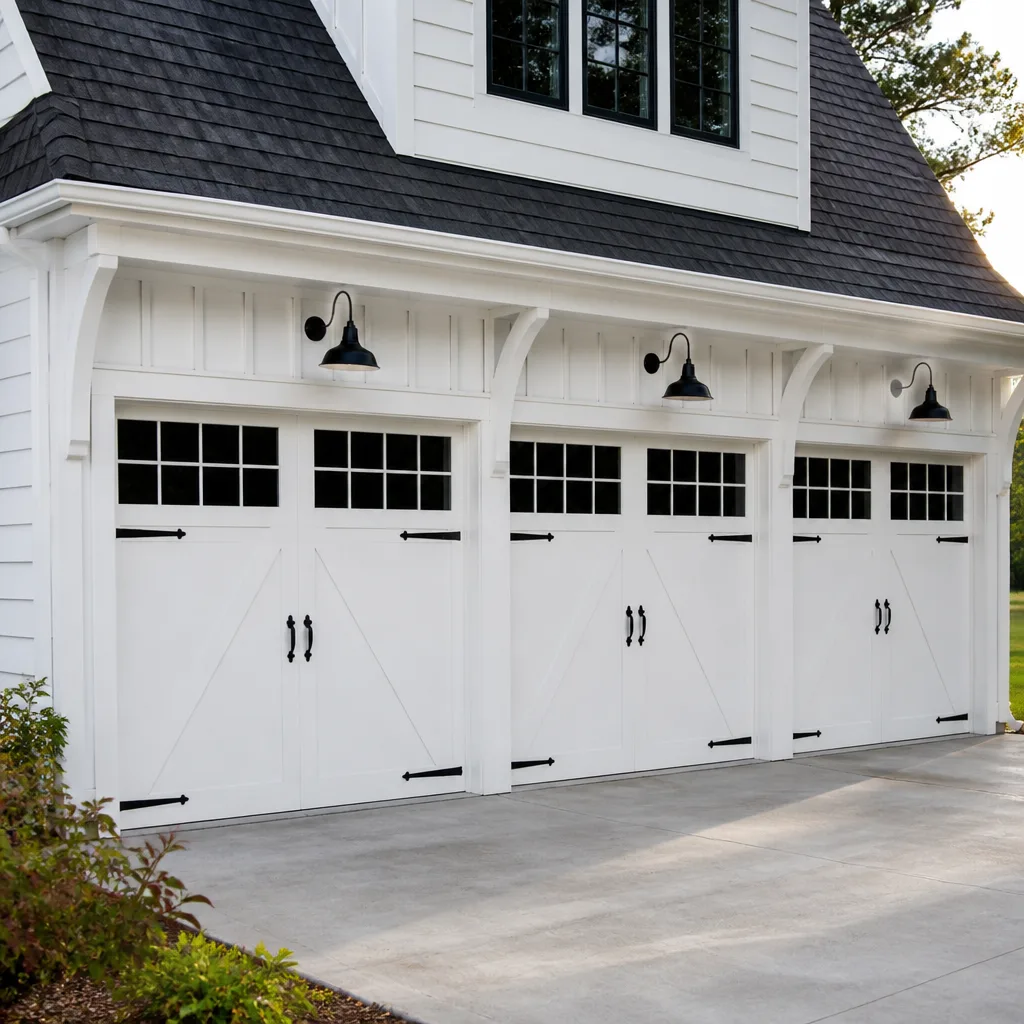 Carriage house
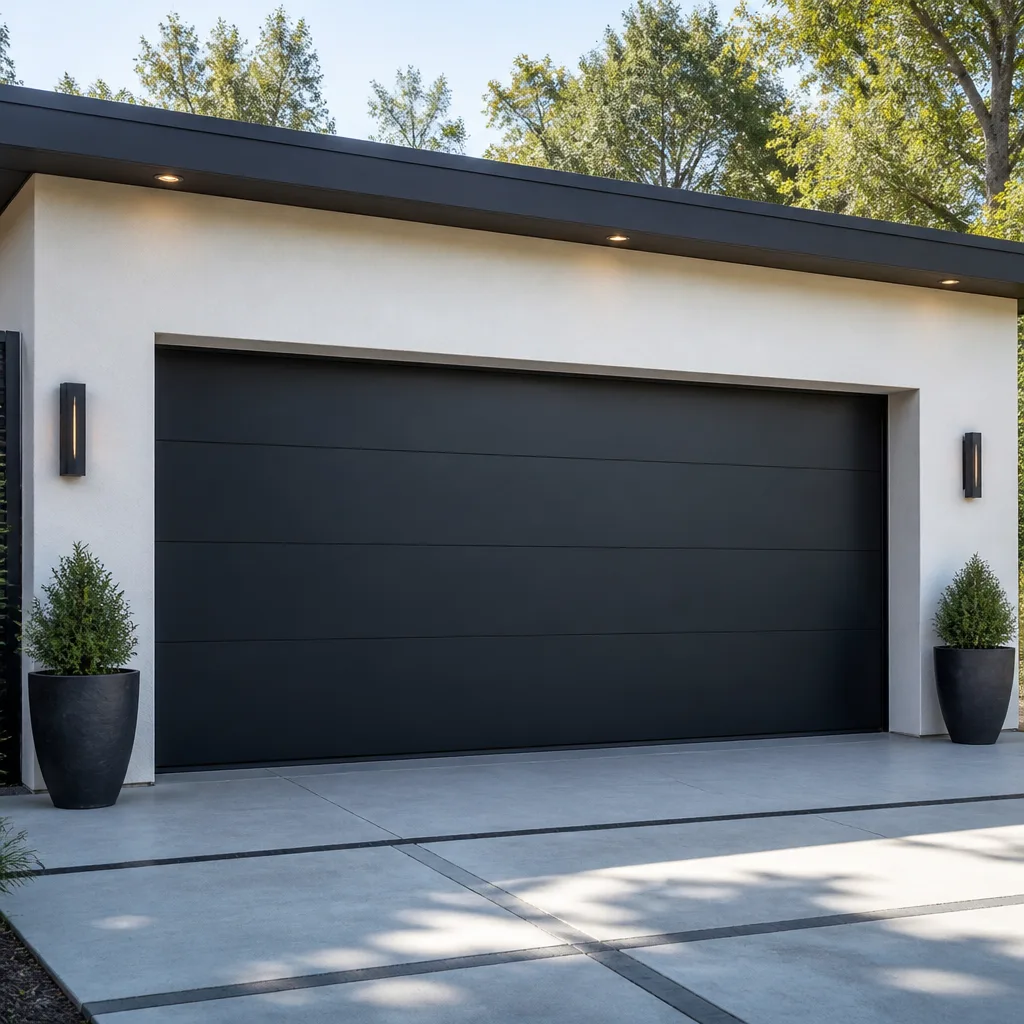 Modern flush
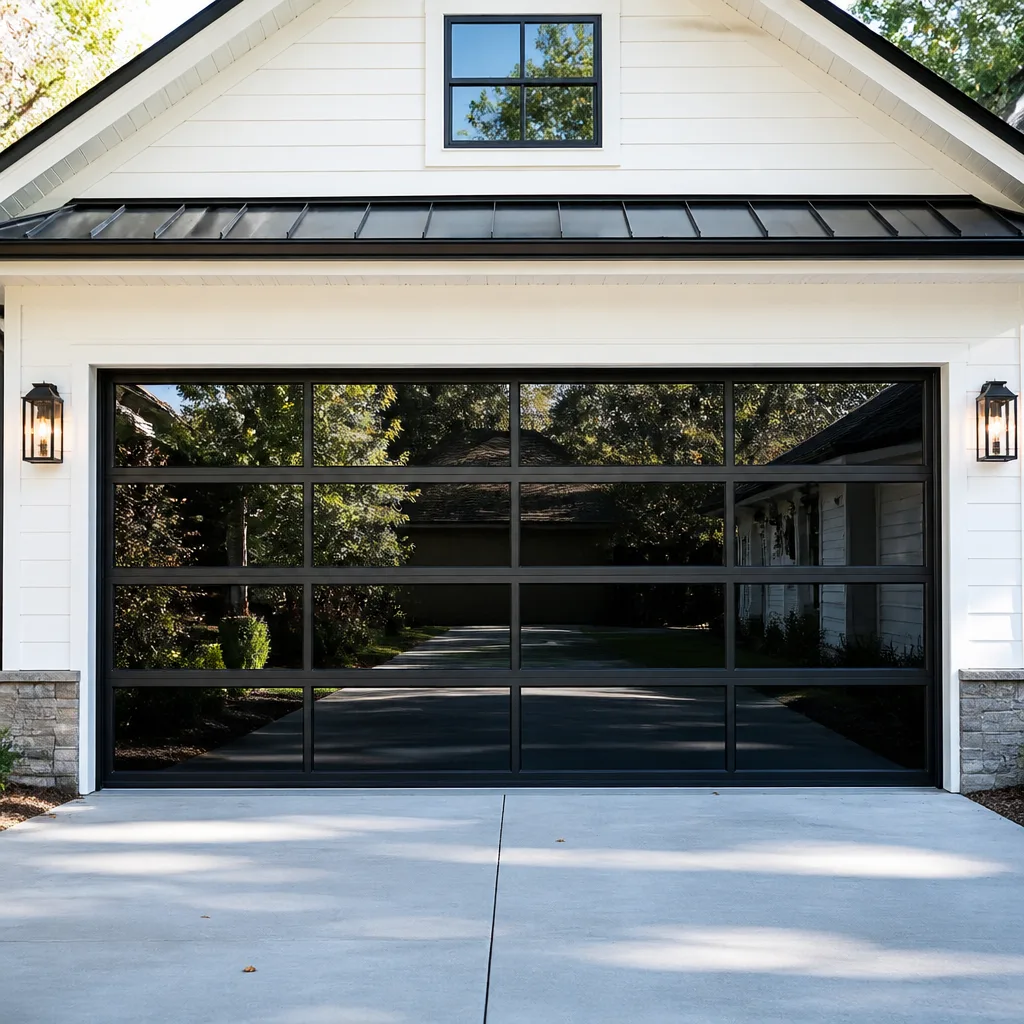 Full-view glass
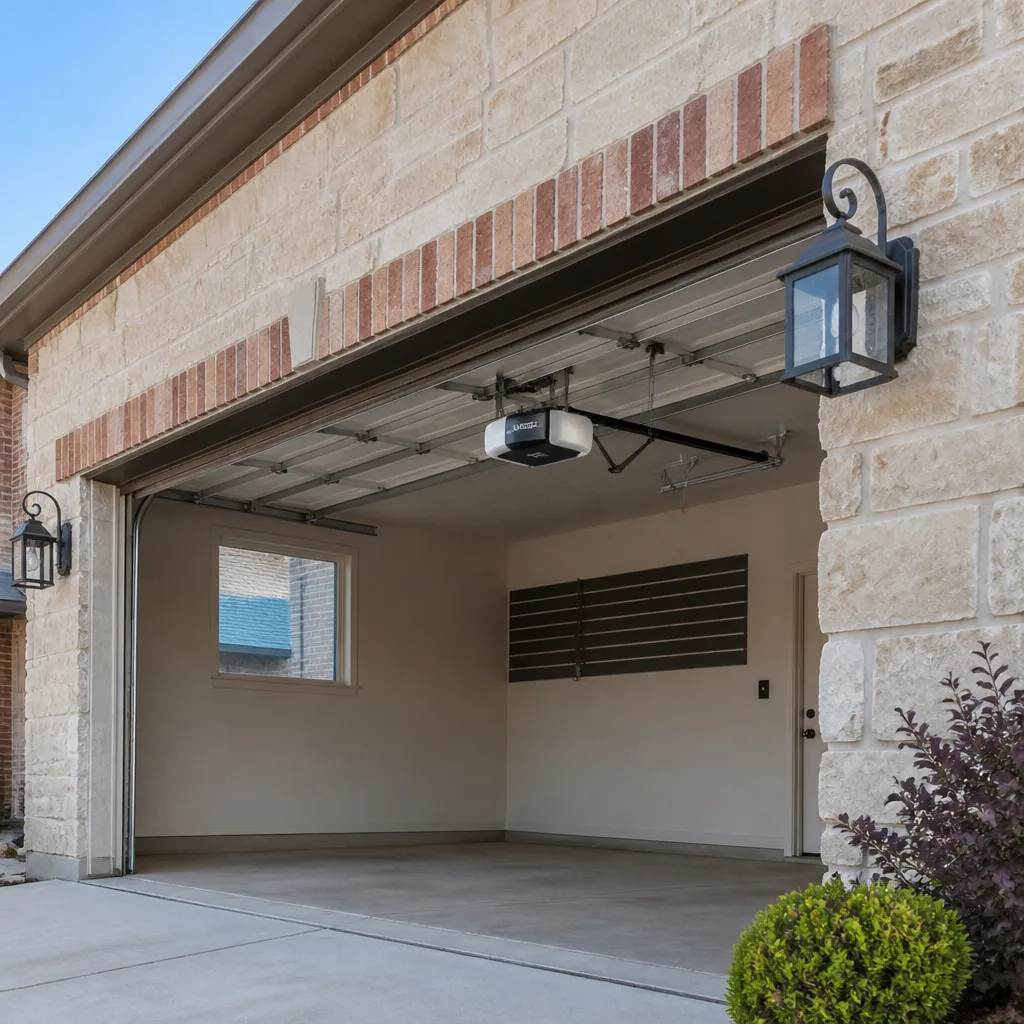 LiftMaster openers
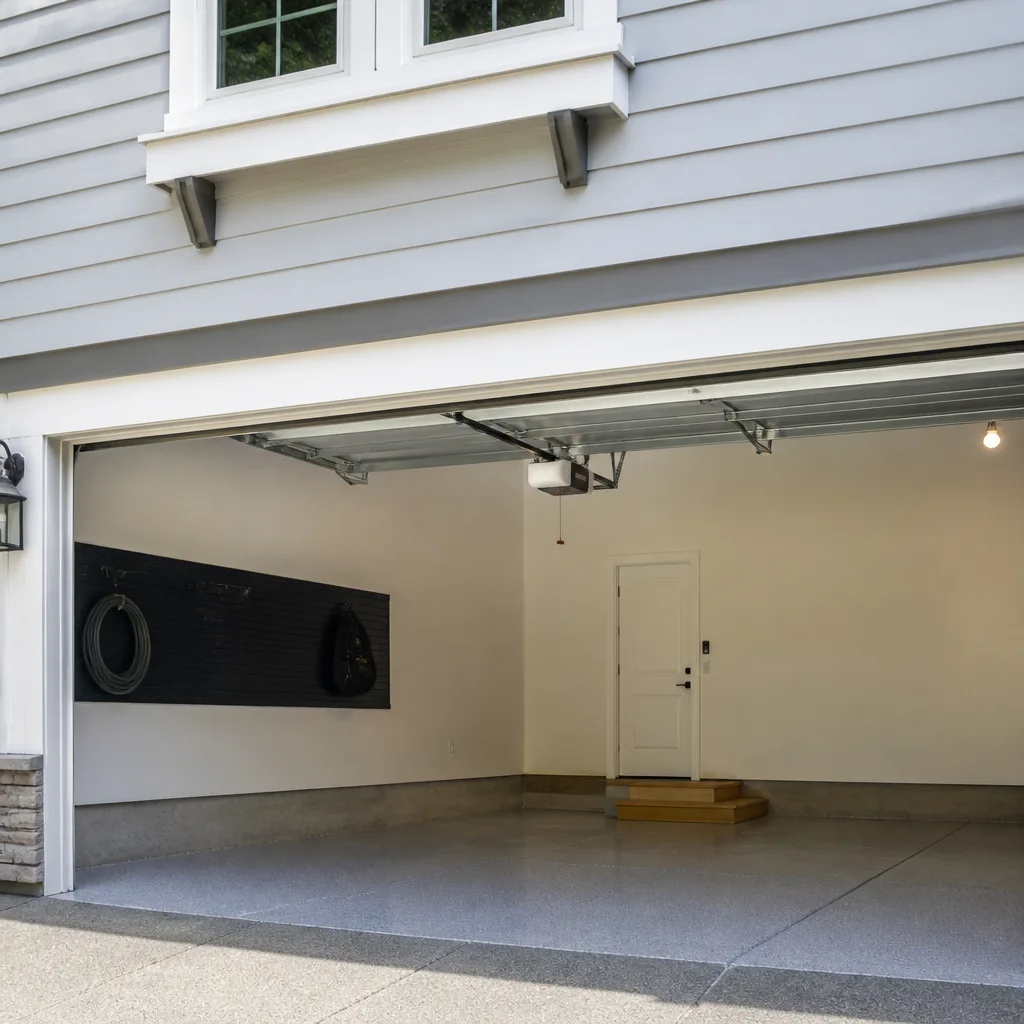 Chamberlain openers
Full 25-point door and opener safety check with every visit - springs, cables, rollers, tracks, and your LiftMaster or Chamberlain opener included
You get a price before we start. It does not change when the pro arrives.
Get your free estimateSeasonal Garage Door Care for Dayton: Year-Round Homeowner’s Guide
Most homeowners in Dayton assume the cold is what breaks a garage door. The truth is stranger: the busiest weeks for garage door repair in Dayton land in late February and early March, when the harshest cold has already passed. What finally does the damage isn’t one deep freeze but months of freeze-thaw cycles quietly fatiguing springs and cracking bottom seals, with the failure only showing up the moment the weather loosens its grip. Treating maintenance as a once-a-year chore misses how each of Dayton’s four distinct seasons attacks a different part of your door. This guide maps each season to the specific component stress it creates, and the targeted action that prevents the breakdown. Use it to keep a LiftMaster or Craftsman system running, to make a Clopay door last longer, and to turn your own records into faster, cheaper diagnostics later.
Quick Answer
Garage door care in Dayton follows four seasons rather than one checklist. Fall is for stabilizing torsion tension before the first 40°F nights, winter is about protecting seals and tracks from freeze-thaw damage, spring is the season to check balance and track alignment as metal expands, and summer is when humidity stresses wood panels and you seal weather gaps before heating season. Each season stresses a different part of the door. The right response is a targeted inspection plus one or two specific fixes, not the same vague tune-up four times a year.
Styles & brands we work with
- Raised-panel steel
- Carriage house
- Modern flush
- Full-view glass
- LiftMaster openers
- Chamberlain openers
Table of Contents
- Fall: Getting Ahead of the Cold Before It Stresses Your Springs
- Winter: Frozen Seals, Tracks and Openers (and How to Tell Them Apart)
- Spring Thaw: Why Metal Expansion Drifts Your Door Out of Alignment
- Summer: Humidity, Wood Panels and Weather Seal Gaps
- Building a Seasonal Log That Makes Future Diagnostics Faster
- The Opener Through the Seasons
- Common Mistakes to Avoid
- When to Call a Professional
Fall: Getting Ahead of the Cold Before It Stresses Your Springs
When overnight temperatures start dipping below 40°F in Dayton, the metal that makes your door work begins to contract. Steel torsion springs and the steel cables on an extension-spring door shrink slightly, and so does the torsion bar. A door that’s tuned in July can feel heavier and operate sluggishly by November, because the same spring is doing the same nominal job in different thermal conditions. This is the season when tension needs a skilled adjustment, not a guess.
Here’s the part most homeowners never see. A good technician doesn’t simply match a spring to a chart. In our experience, we adjust for the colder operating window so the door is properly balanced through winter, not just sitting perfectly on a mild fall afternoon. The adjustment compensates for the contraction you’re about to live with. That’s why the tune-up done in September can hold up far better than one done in July.
How do you know whether that compensation has been done? Watch for these clues as the cold sets in:
- The door lifts easily by hand in fall but feels noticeably sluggish once the cold settles in – the spring tension wasn’t adjusted for the season.
- A properly adjusted door moves smoothly by hand all winter without requiring you to correct the force setting on your opener.
- Your wires and springs look the same as in summer. If the tension was compensated correctly, you won’t see any obvious change at all.
Fall is also the season to walk the perimeter of the door and check the bottom seal. Cold makes a worn seal crack and stiffen, and once it does, it stops sealing. Replacing a seal in fall costs less effort than dealing with a stiff door all winter. If you’re scheduling routine garage door repair in Dayton before the first hard freeze, this is the window to do it.
Winter: Frozen Seals, Tracks and Openers (and How to Tell Them Apart)
Below roughly 10°F, several different failures can all present as “the door won’t move.” Before you pick up the phone, you can narrow down which one you’re facing, because the fix is very different for each. Dayton’s winter swings mean a single week can bring a 30-degree thaw and then a plunge back below freezing, and the meltwater that gets into a seal or track can freeze it solid.
Frozen bottom seal
A worn or cracked rubber bottom seal absorbs moisture, then hardens into a solid strip. The door may lift a few inches and stop because the seal is gluing itself to the concrete. If you see a brittle, hardened seal with visible cracks, or the rubber has separated from the door panel, that’s your culprit. Older rubber seals fail first; some of the softer closed-cell foam seals hold up somewhat better at low temperatures but still suffer when the door itself is out of adjustment.
Frozen track
If the door rises but drags or squeals on one side, ice may have built up inside the track channel, often at the threshold where snowmelt collects. Look for ice or a thick frozen crust right where the vertical track meets the floor. A door that binds at a predictable height is telling you the problem is in the track, not the opener.
Frozen opener motor
If the motor runs but the door doesn’t move, or the motor hums and stalls, the issue is likely at the opener itself, not the ice. On a Genie or Chamberlain unit, a motor that labors in deep cold can stall against the load. The door won’t move because the drive mechanism is stuck, not because the ice is the problem.
If you can’t tell which failure you’re looking at, stop cycling the door. Repeatedly forcing a frozen or jammed door is how small problems become spring breakage or bent tracks. Winter garage door repair in Dayton is a regular call for us precisely because these three failures look identical from inside the car.
A word of caution on springs and cables specifically: torsion springs are under enormous tension and can cause serious injury if handled incorrectly. Never try to loosen, tighten or remove a spring, cable or bracket on your own. That’s a job for a trained professional with the right tools. When we handle spring replacement, we do the dangerous part safely so you don’t have to.
Spring Thaw: Why Metal Expansion Drifts Your Door Out of Alignment
As Dayton thaws, the same freeze-thaw cycle that cracked the seals is now working the other way. Metal expands slightly as it warms, and those expanding vertical and horizontal tracks can drift out of alignment. A door that tracked cleanly all winter may suddenly rub, bind or tilt to one side. Spring gapping, where one side of the door rises before the other, is a common symptom of this drift.
Check balance with a manual test, not your eyes
Visual inspection tells you very little about balance. A door can look perfectly straight and still be badly out of balance. Do this instead:
- Pull the emergency release handle to disconnect the opener. On most openers this is the red cord hanging from the trolley.
- Lift the door by hand to about halfway open, then let go gently.
- The door should rest in place, more or less, without drifting down or springing up.
- A door that drops on its own is out of balance; a door that flies up is over-tensioned. Either one wears out the opener and the springs faster.
- Reconnect the opener and confirm the door still operates smoothly.
If the door fails the balance test, don’t touch the springs to correct it. Spring tension adjustment is the highest-risk part of this work, and it’s exactly the sort of job that should go to someone who knows the specific tolerances of your system. Whether your door runs on Amarr hardware, a Wayne Dalton system, or an older mechanical setup, the balance test result is the single most useful thing you can report when you call.
Spring is also the time to check the horizontal track angle. A track that’s gapped from the frame or sitting slightly out of plumb will drag a perfectly good door. Clean and lubricate the track channels, then verify the door doesn’t wander from side to side as it travels. If the door wanders, the alignment has drifted and needs proper correction.
Summer: Humidity, Wood Panels and Weather Seal Gaps
Dayton summers bring humidity that punishes wooden garage doors specifically. A wood panel door absorbs moisture from humid air, swells, and every panel gap grows narrower. The symptoms are subtle at first: doors that rub, a bottom seal that no longer hugs the floor, and panel joints that open slightly. Over a few summers, a neglected wooden door will show warping at the bottom edges and paint flaking at the joints. Sealing wood panels and checking paint coverage goes a long way toward keeping a wood door true.
Summer is also the right time to address weather seal gaps, before heating season returns. Here’s why the timing matters. A gap that seems harmless in August lets warm, humid air in during summer and cold air out during winter, and it also lets water and pests in when the weather turns. When you close a seal gap in summer, the material has time to cure fully before the cold of winter tests it. Fixing the same gap in October means the seal may be curing while the weather is already pulling it in a different direction.
On a steel Clopay door, summer humidity isn’t the same concern as with wood, but the door’s finish and hardware can still corrode at the bottom where water collects. Inspect the bottom edge and the hinges where moisture gathers. Cleaning and lubricating the moving parts in summer keeps them free for the colder months.
This is also the season to test your auto-reverse feature. Place a small block of wood on the floor in the door’s path and confirm the door reverses when it meets resistance. A safety reverse that works in summer is more likely to still work in winter. If it doesn’t reverse, that’s a safety issue that needs attention right away, not a “wait until fall” item.
When you combine seal care with track cleaning, summer turns into a low-effort season that sets up the other three. If any gap is large enough that you can see daylight under the door, get it addressed now – our garage door repair team can trace the source of the gap rather than just replacing a seal that will fail again.
Building a Seasonal Log That Makes Future Diagnostics Faster and Extends the Interval Between Tune-Ups
A small notebook or a note on your phone can be the most useful garage door tool you own. A seasonal log turns your door’s behavior into a record that shortens every future diagnostic, and it lets you stretch the time between professional tune-ups. Here’s how to build one that actually helps.
- Record the date of every seasonal check. Note the temperature and any strange sound or behavior you noticed.
- Log every balance test result: when you did it, and whether the door dropped, rose, or stayed put.
- Note any changes to the seals: cracking, hardening, swelling, or a visible gap.
- Write down any change in how your opener behaves, including the force setting if you adjust it.
- Keep the date, brand and model of your current opener and door hardware. This makes a future service call faster because the technician already knows the tolerances of your system.
- Note any professional work done, what was replaced, and when.
Why this saves money: technicians who arrive already knowing your equipment’s history can diagnose online, not just swap parts. A spring that’s on its last legs behaves differently over successive seasons, and a log showing the progression tells a trained eye exactly what to expect. It also prevents the “replaced for no reason” trap, because you and the technician can see what’s already been done. For homeowners on a Chamberlain or LiftMaster opener, logging the force setting changes gives us a quick read on whether the door has drifted out of balance or the opener itself is aging. Either way, the log is your starting point.
The Opener Through the Seasons
The opener is often the first to cry uncle in changing weather, and the way it fails tells us what’s happening to the door. Garage door opener repair in Dayton frequently turns out to be a door problem wearing an opener disguise. A door that’s out of balance forces the opener to work harder, and that load shows up as a motor that strains, a drive that slips, or a safety sensor that trips intermittently.
Summer heat expands the rails. A rail that was mounted with some play in spring may lose its tolerance by July, and the opener may start to grind or hesitate. Cold does the opposite, tightening clearances and stiffening lubricant in the trolley. If your opener’s force setting is set tight, winter is when it will start to trigger the safety reverse for no obvious reason. That’s not a sensor failure; it’s the opener telling you the door is fighting it.
On a LiftMaster or Chamberlain smart opener, you can monitor this from the app if you’ve connected it. Note whether the door’s travel time changes noticeably with the seasons. A door that takes two seconds longer in February than August is telling you there’s added resistance somewhere. That observation is gold for a technician. On a legacy Genie or Craftsman opener with a simpler control board, you’ll have to watch for the same signs by eye: hesitation, a change in sound, or the door stopping partway. If you’re weighing whether to repair or replace the opener, our guide to garage door opener repair walks through what actually gets fixed and what gets swapped.
Common Mistakes to Avoid
- Applying the same checklist in every season. Lubricating and inspecting four times a year without adjusting for temperature misses the actual failure modes of Dayton’s climate. Fall needs spring tension adjustment; winter needs seal and track checks; spring needs the manual balance test; summer needs seal-gap and wood care.
- Forcing a frozen or stuck door. Repeatedly cycling a winter-jammed door is how springs break and tracks bend. If the door is stuck, stop and diagnose the cause before trying again.
- Trusting a visual inspection instead of the manual balance test. A straight-looking door can be badly out of balance. The manual test, done with the opener disconnected, is the only reliable check.
- Ignoring the bottom seal until it fails. A worn seal in Dayton gets cracked by the freeze-thaw cycle all winter. Replace it in fall or spring before it hardens into a problem that drags the door.
- Adjusting spring tension yourself. This is the most dangerous part of the entire door. Tension is stored in the spring and cable, and a mistake can cause serious injury. Leave it to a trained technician.
- Skipping the safety-reverse test. Testing auto-reverse in summer makes sure the feature still works when winter puts ice and snow in the door’s path.
- Not keeping records. Without a seasonal log, every new symptom is a mystery, and technicians spend time re-diagnosing what you could have told them in a sentence.
When to Call a Professional
Some jobs are seasonal care, and some are a clear signal to call. If your door won’t move at all, won’t lift more than a few inches, or makes a loud bang and then stops, the spring or cable has likely failed and needs immediate professional attention. A door that’s visibly off its track, one side higher than the other, or a door that drags or binds as it travels all point to alignment or hardware problems that need real diagnosis. If your opener runs but the door doesn’t move, that’s a drive or spring issue, not a cleanup job. Any safety-reverse failure is urgent because it can cause injury to something in the door’s path. We diagnose the door, opener and hardware as one system so you’re not guessing which part is at fault.
Dayton Garage Door Repair Pros offers free estimates in Dayton – call (866) 937-7781. We answer 24/7. Fast dispatch from 7am to 7pm, Sunday through Friday.
See the difference
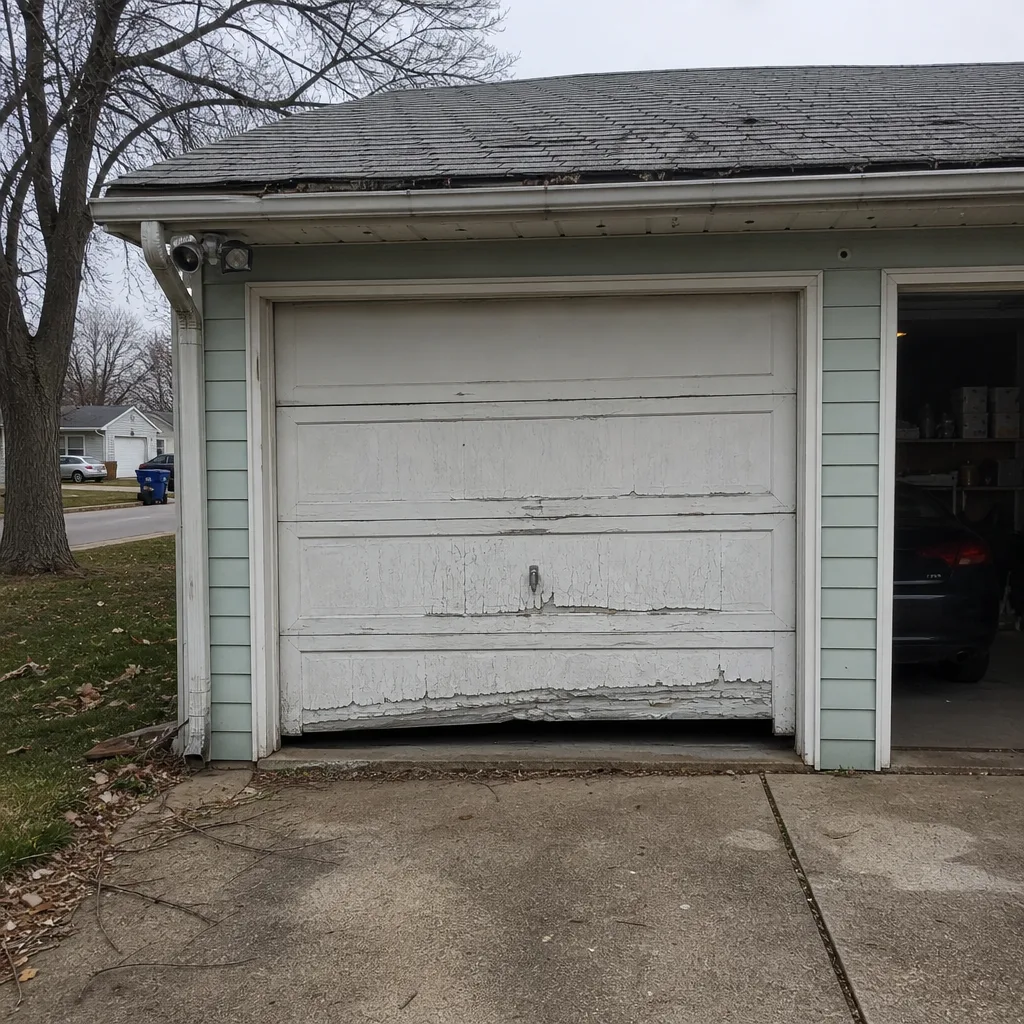 Before
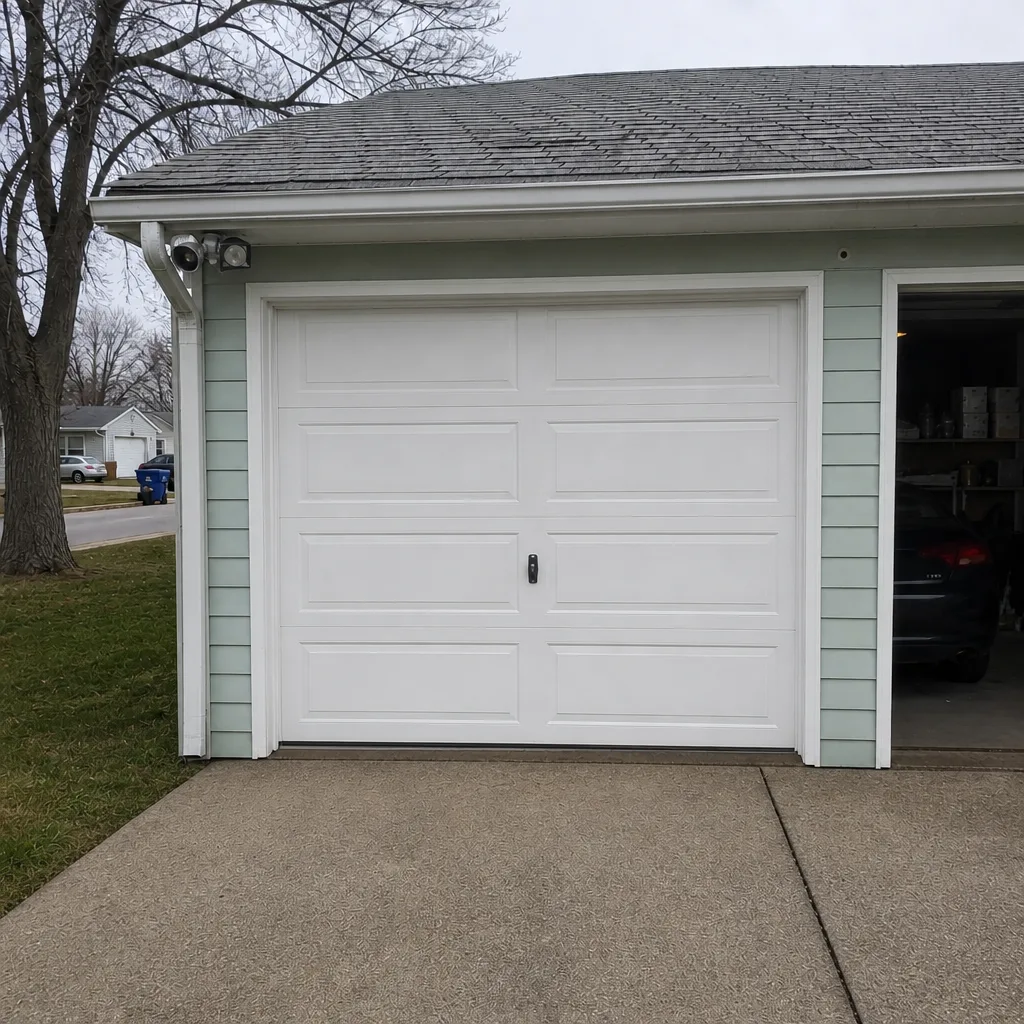 After
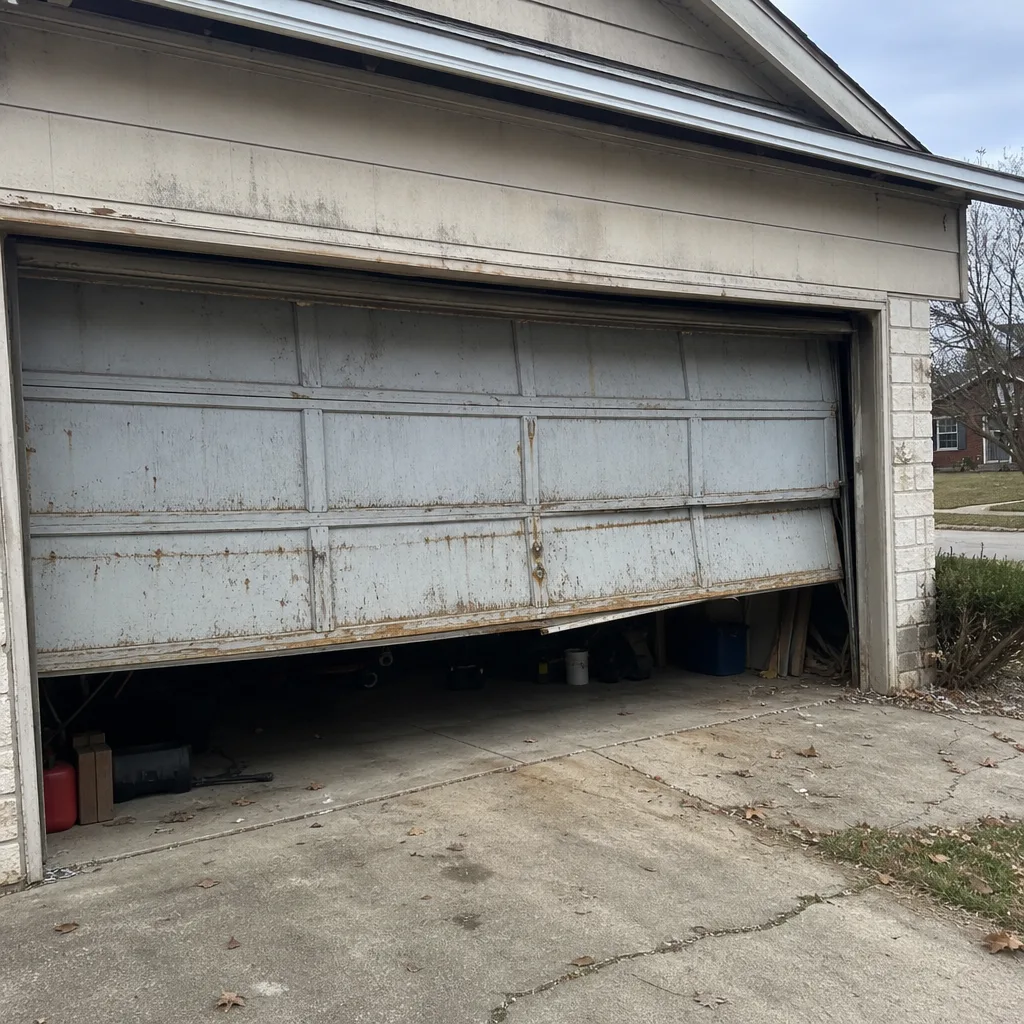 Before
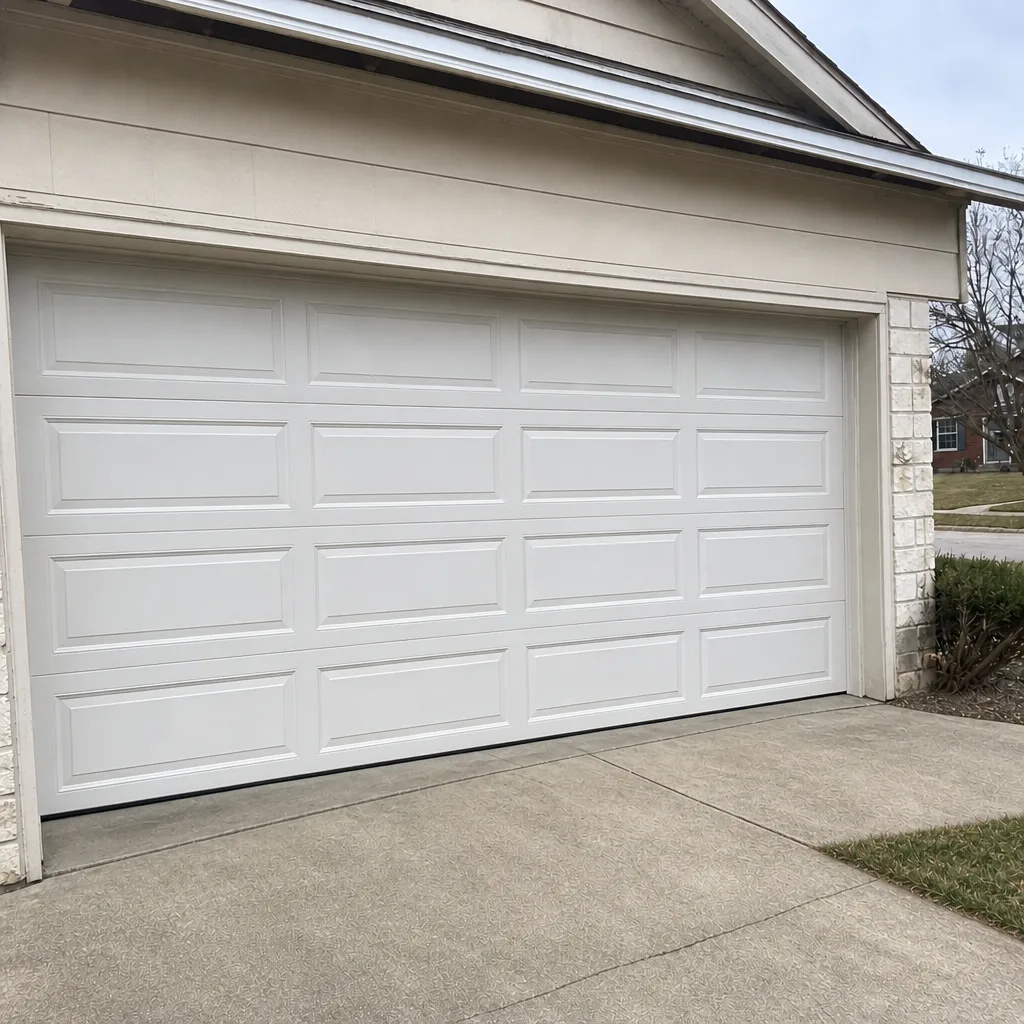 After
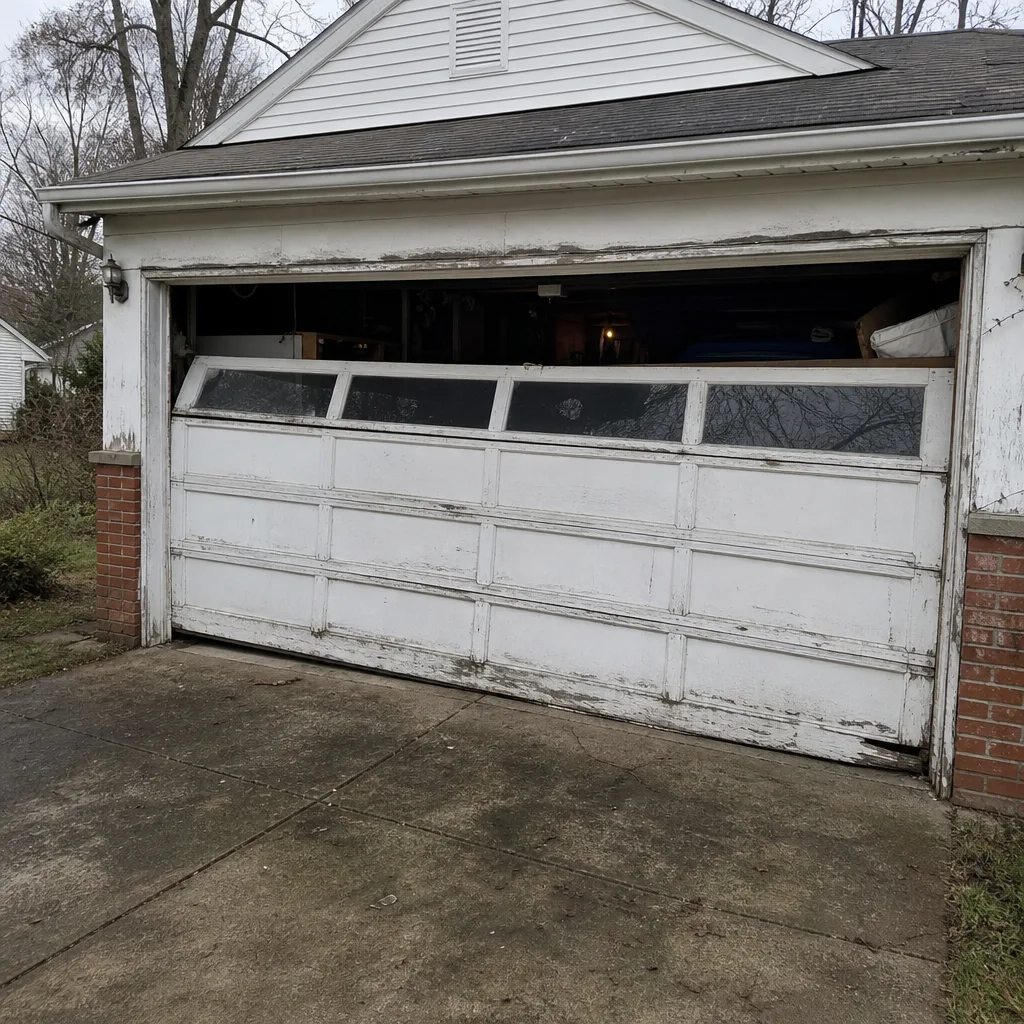 Before
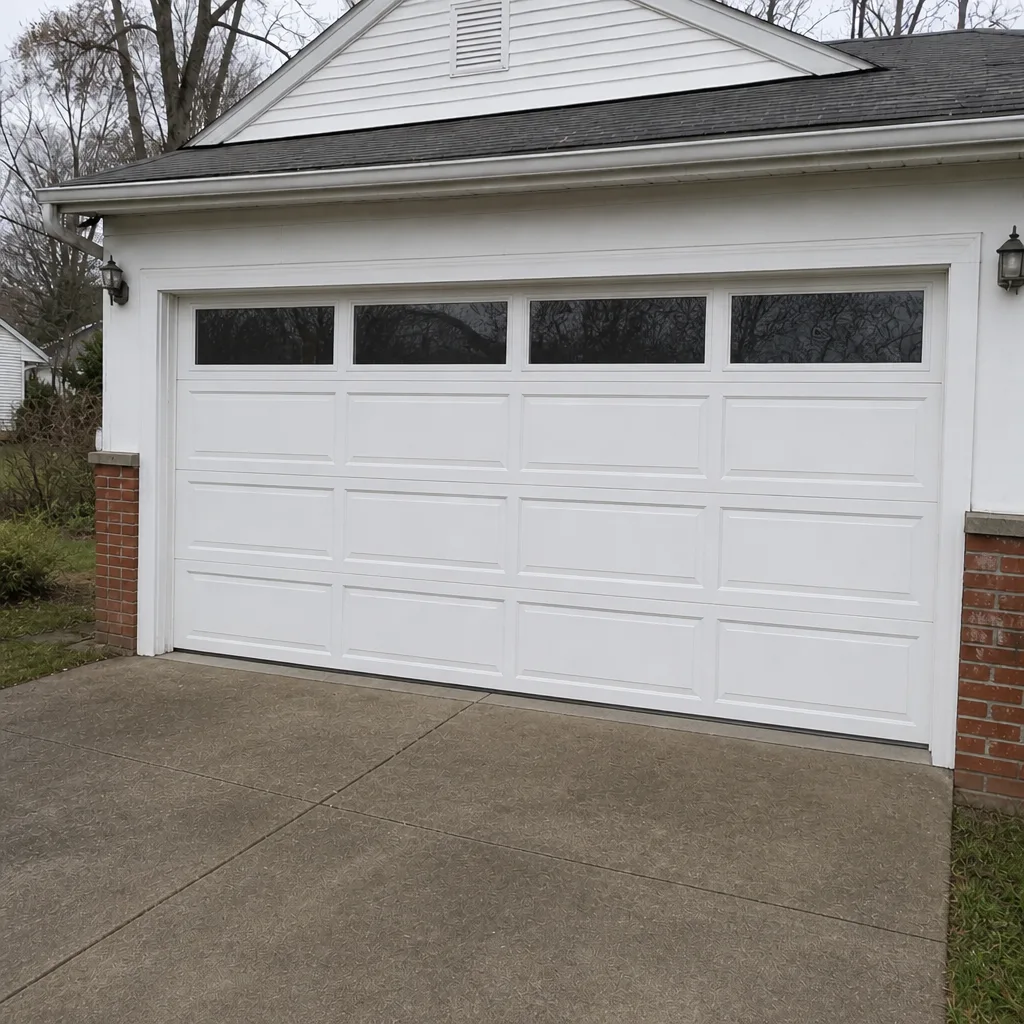 After
Frequently Asked Questions
The fall spring-tension check is the most important one, because the cold that arrives after it stresses the springs all winter. Getting the tension adjusted for the colder operating window in fall prevents the door from fighting the opener through every cold snap. Do the balance test in spring to confirm the door held through the winter.
A frozen door stays stuck at a specific point or won’t move at all, usually where ice has built up in the seal or track, while an out-of-balance door still moves but drifts down or up on the manual balance test. If the door rises a few inches and binds, suspect a frozen seal or track. If it moves but won’t hold its position, suspect balance. Either way, call a professional to sort out the spring or alignment.
Yes, lubricating hinges, rollers and tracks is a safe homeowner task, and it’s a good summer project. Use a garage-door-safe lubricant on the moving parts, not the springs. Do not attempt to adjust spring tension, cables or brackets yourself. Call (866) 937-7781 if the door feels out of balance after lubricating.
Wood absorbs moisture from humid air and swells, so panel joints tighten and the door can drag or bind. Sealing and painting the panels reduces moisture absorption, and checking the seal and hardware in summer lets you fix gaps before heating season. A door that sticks badly in summer may also be out of alignment, so have it checked.
A door that feels unusually heavy, a loud bang from the garage, or a visible gap and coil separation on the spring are the classic signs. Don’t try to test or release the spring yourself; call a professional. Spring failure is a sudden, serious event, and we handle torsion and extension spring replacement safely with the right equipment.
Once a year is a good baseline for most Dayton homes, timed so the fall check happens before the first 40°F nights. Keeping a seasonal log lets you and a technician decide whether the interval can stretch or should tighten based on how the door actually behaves over the year.
Most cities require a permit or inspection for a full door replacement, but a spring repair is usually routine maintenance, so ask your city’s building department to confirm the current rule. Our team works to the local requirements, and if you’re considering a full door replacement rather than a spring repair, our guide to garage door installation covers what’s involved.
The Bottom Line
Dayton puts a garage door through four different stresses, not one. Fall’s cold contracts springs and needs tension adjusted for the colder window; winter’s deep freezes harden seals and jam tracks, so knowing the difference between a frozen seal, track and opener gets you the right fix; spring thaw expands metal and drifts alignment, which the manual balance test catches; summer humidity swells wood and lets seal gaps go unnoticed until heating season. A seasonal log turns all of it into useful history. None of it is hard if you match the task to the season, and some jobs, especially spring work, always belong to a trained professional. Our technicians have up to 12 years of experience with the brands homeowners actually own, including LiftMaster, Chamberlain, Genie, Clopay, Amarr, Wayne Dalton, Craftsman and Raynor.
If your garage door needs a seasonal look or has just failed, Dayton Garage Door Repair Pros is ready. Whether it’s a spring that needs replacement, a track that’s drifted, or an opener that’s crying uncle, we can help. For a full repair or a replacement, our garage door repair team can diagnose it correctly the first time, and the written estimate sets the final price before any work starts. Call (866) 937-7781 for a free estimate. We answer 24/7. Fast dispatch from 7am to 7pm, Sunday through Friday. Your door, diagnosed correctly the first time, and fixed by someone who already knows your brand.
Written by the team at Dayton Garage Door Repair Pros.